Editorial

Living Proof that Infrastructure can Last

The infrastructure in our cities is expensive, expansive, and central to our lives and our cities. However, much of it remains largely underutilized due to shifts in industrial trends. What if our infrastructure is designed around the ebbs and flows of what is demanded from them, while sustaining what it demands from the context it lives in?

– By Sam Clemente | Green Theory contributing writer

HIDDEN, ALL AROUND US

Infrastructure surrounds us. It soars above us, rumbles underneath us, and travels with us. Much of it has existed long before us, and much of it in (much) needed repair. It takes us to and from work and school, becoming a large part of our day. It transfers our goods and services, and carries our information and energy close to the speed of life. It is expensive and expansive, becoming one of the most important investments a city makes. It shelters us and protects us–from floods, earthquakes, fires, disease. And when we don’t know about it, it is probably doing a pretty good job.

Yet, our infrastructure also uses us. Transportation has evolved from ports to railways to roads, leaving massive holes across cities and leaving behind outsized stations in urban communities. In Rust Belt regions, industrial manufacturers have treated waterfront landscapes as disposable, leaving polluted brownfields and waterways for the rest of the city to witness. We see this trend today with how fast land and resources are aquired for the construction of data centers, which are now becoming increasingly unpopular. Throughout history, our most industry-forward infrastructure has not always been kind to us.

We’ve already seen experiments at changing this relationship. SWA’s XL Lab has focused their attention on this over the past decade, recently releasing their Atlas of Infrastructure Adaptation and cataloguing the diverse ways interdisciplinary teams have begun to reimagine infrastructure with a more holistic lens. As you read the Atlas, it becomes clear that certain projects take the opportunity to restore a tainted image of infrastructure. They protect the city from flooding, and keep the waterway clean from the city's polluted runoff. And even more, they demonstrate to the public that some infrastructure is, in fact, a good thing.


DESIGNED TO FLOOD

Before 2002, as part of a hastily developed flood control policy under increasing urbanization, the Yongning River was completely embanked with concrete. Water, as was common belief, was to be pushed away as efficiently as possible. Kongjian Yu took issue with this, writing in “The Weeping Mother River,” “My cruel children, why are you binding my feminine body with high dams?” For the river was a cultural symbol to be respected and embraced, Yu believed water was to be in harmony with the rest of the environment. Concrete, furthermore, was expensive and with public funding, a misplaced resource.

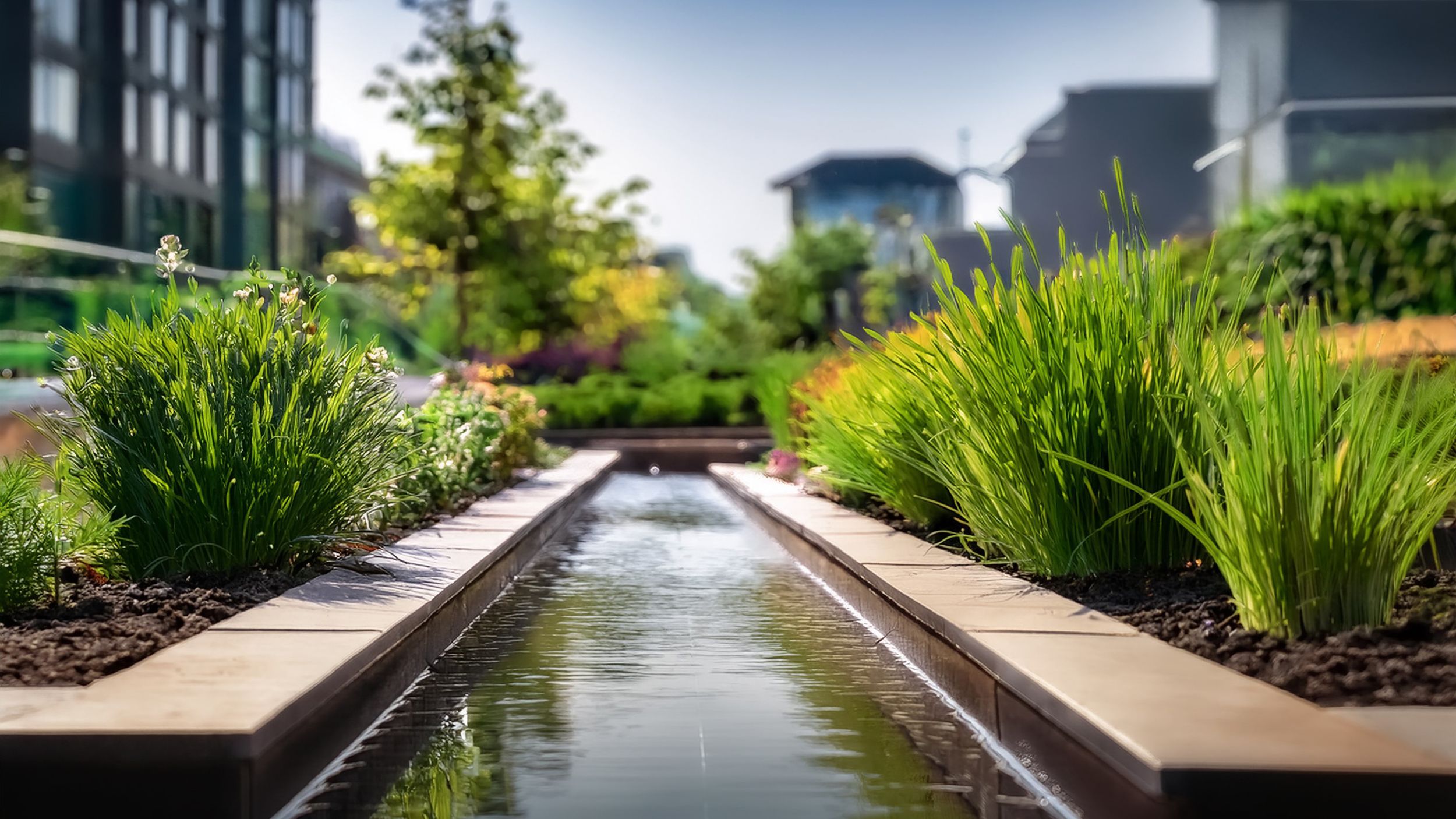
The “natural matrix” of the Yongning River Park, cleans and stores stormwater for the incoming dry season.

The redesign of the Yongning River, and its 51 acre park, restores this traditional image of water infrastructure. The Yongning River Park now comprises two “matrices”--the natural and the human. Composed of a riparian wetland and an outer wetland, the natural matrix is designed to flood during the monsoon season. During the dry season, the outer wetland is full of retained water from the previous season and fresh water from the upper part of the river. Year round, this system lives under the human matrix, where the water is accessible to park users. The “human matrix”, which consists of trees, signage, and walking paths is accessible even during floods, floating above the natural matrix and giving way to the park’s alternative name– “The Floating Gardens.”

OYSTER-TECTURE

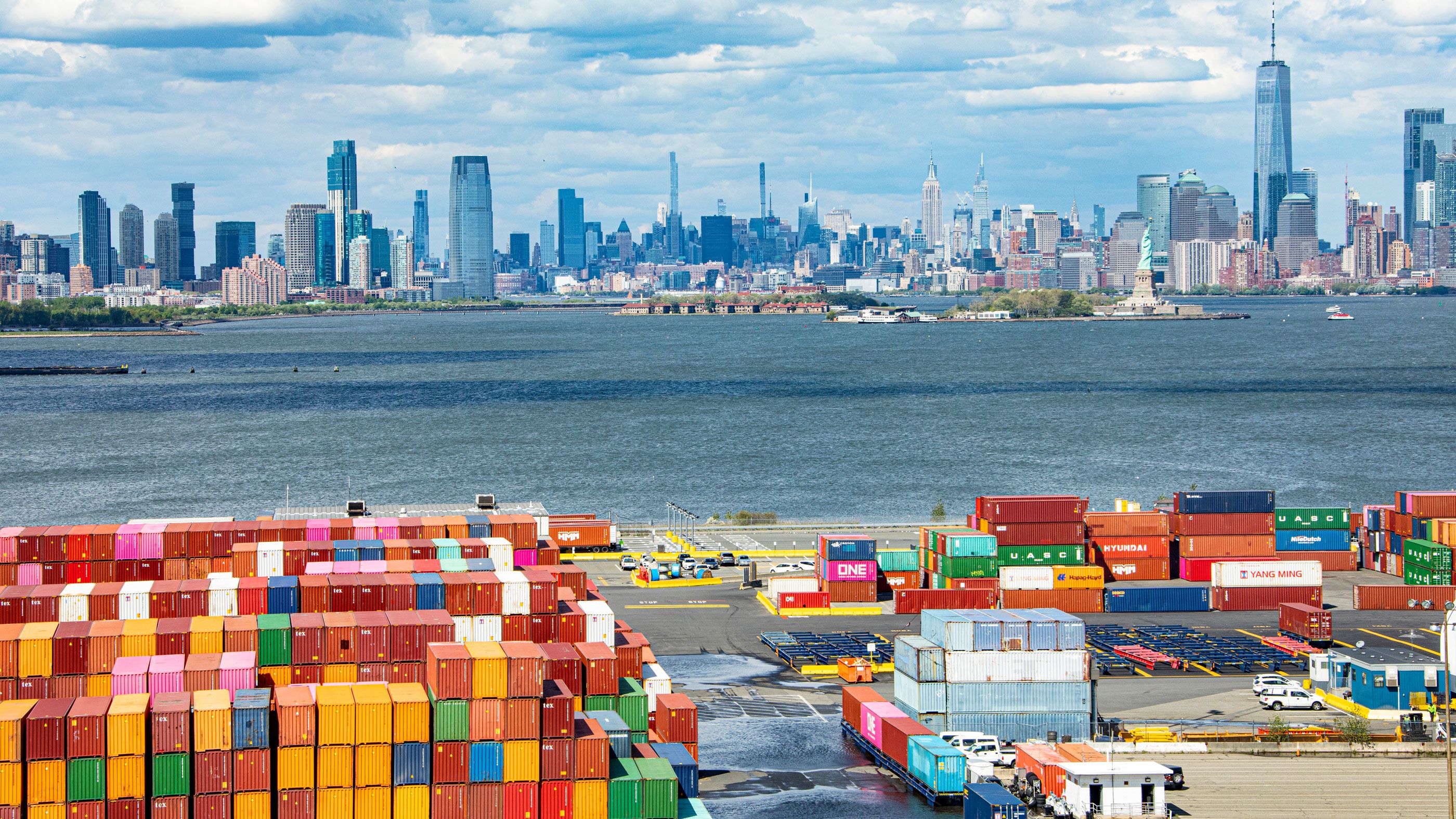
Whereas the Yongning River Park centers vegetation as a design approach, SCAPE’s Oyster-tecture design-research centers an experimental and ecological alternative to the hard infrastructure that has come to define the New York Harbor. Lined with heavy concrete and high seawalls, the coastline that protects New York controls and fights against water in a way that may only be sustainable under current metrics. Hard, resistant, and built high above the sea level, it fights water aggressively.

Several centuries prior, in the 1700s, the area was flourishing and abundant with oysters. Serving as food for local residents, the shells were also used as construction material–burned for lime and ground up as mortar for street paving. In 2016, SCAPE seized the marine creatures to protect the city from the harbor’s water level and clean the water from the city’s pollution.

The New York Harbor’s current infrastructure is largely industrial and extractive

The ultimate design mimics a textured tapestry that covers the harbor’s floor, forming a living, woven web of ‘fuzzy rope’ that supports marine growth. It attenuates waves and cleans millions of gallons of harbor water through the biotic filtration processes of oysters, mussels, and eelgrass. Through micro-interventions, we are tested with the idea that infrastructure can live and grow.

SEAWALL WITHOUT SEPARATION

Before Seattle grew, Elliott Bay was full of marshes and mudflats, with various habitats for birds and marine life. The sloped beaches offered salmon a safe and bright passage through shallow waters. As Seattle developed, the city met the waterfront with a seawall made of creosote-blackened pilings. It separated local residents from the water in a majority of spots, both visually and physically. The dark and polluted marine environment repelled migratory salmon further into the bay, becoming prey to other fish and greatly reducing the species in the region.

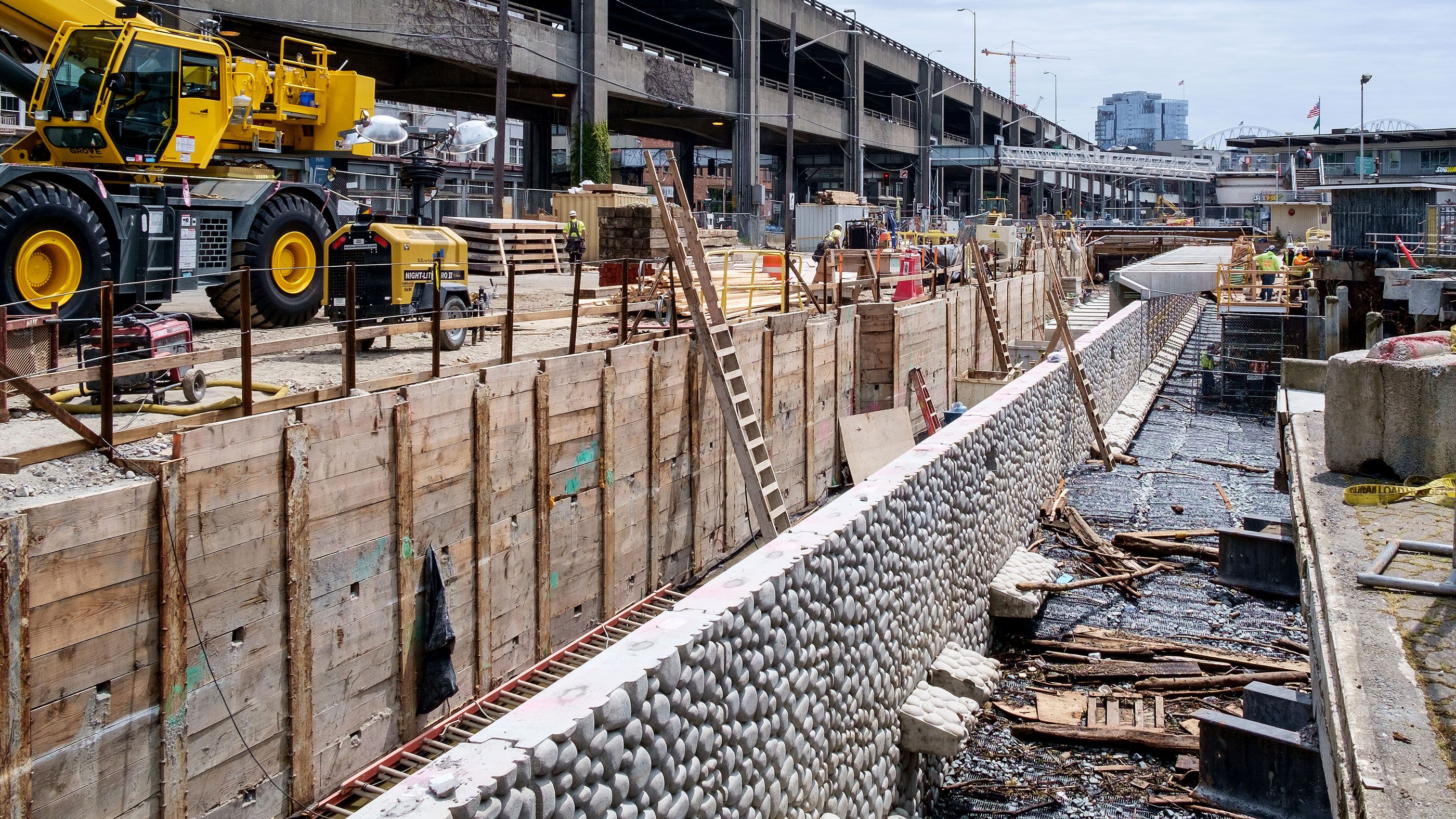
The Elliott Bay Seawall, under construction, features local artist designs for aquatic life to attach for feeding grounds.

Due to the limited real estate within the bay, the design team at James Corner Field Operations created space underneath the waterfront. The glass walking path cantilevering over the harbor allows users to view the water below, allowing users to learn about the new infrastructure. The marine life thrives off of the sunlight pouring through the glass, allowing the salmon to safely travel. The vertically expansive seawall features artfully designed panels for algae and aquatic life to attach and provide the fish with safe feeding grounds. Similar to the natural and human “matrices” within the “Floating Gardens,” this design features various cantilevers and seawall crevices for humans and marine life.

LIVING PROOF

These case studies are living proof that reimagination of our infrastructure is possible at different scales and with varying methodologies. Our infrastructure provides real estate–all we have to do is get creative with it.

Products mentioned in this post

Keep Reading

Editorial

How Are Landscape Architects Reinventing Stormwater Systems?

Each year on Earth Day, conversations around climate and design return to a central question: how do we live with water rather than fight against it? In 2026, landscape architects are answering that question by fundamentally rethinking stormwater systems not as hidden infrastructure, but as visible, performative landscapes that shape public life.

– By Zach Curry | Green Theory contributing writer

Projects

Designing for Everyday Urban Rituals

At Kits Corner in Vancouver, a bold custom installation transforms a busy intersection into a living stage for everyday rituals, showing how site furnishing can shape the way a city is experienced.

– By Claire Hicks | Green Theory contributing writer

Editorial, Products

“Landscape Regulars” - How Site Furniture Shapes Social Connection

Urban Public Spaces - The emerging Third Place of today, how these spaces utilize site elements to connect people, bridge social divides, and allow people to return and become "regulars" of the landscape?

- By Sam Clemente | Green Theory contributing writer