

Descend from the air into Los Angeles, and you might think you’re seeing the city at different scales. The city has long lived with the modernist dictum “form fits function.” Outdated infrastructural values have pervaded policy and design; LA county’s roadways total over 22,000 miles – just short of a full trip around the equator, and segregation has been deeply reinforced on a planning and policy level. These systematic moves are unimaginably big, with expressways often the width of neighborhoods, restricting access to economic centers. But in recent years the city has faced change at all scales. Globalization has increased and immigrant culture is becoming thoroughly blended with the urban atmosphere.
Landscapes have taught us this logic, and the ASLA 2026 conference has centered it. Across the conference, presenters have taken change as a design principle. Landscape architecture today operates across scales, from master plans to community gardens. The profession balances diverse stakeholders with strained budgets, a place’s history with its potential, and changing seasons with simulated storm events in the far- far-future. With all of these forces operating at different scales, how should designers respond? What are the pathways forward?
Editorial, Interview, Products
Form follows flux, and other ASLA 2026 dispatches
Los Angeles has long lived with the modernist dictum “form fits function.” What if it follows flux?
Landscapes have taught us this ancestral logic, but this past September, ASLA 2026 has centered it. Across the conference, designers have taken change as a guiding principle – what have they learned?
– By Sam Clemente | Green Theory contributing writer

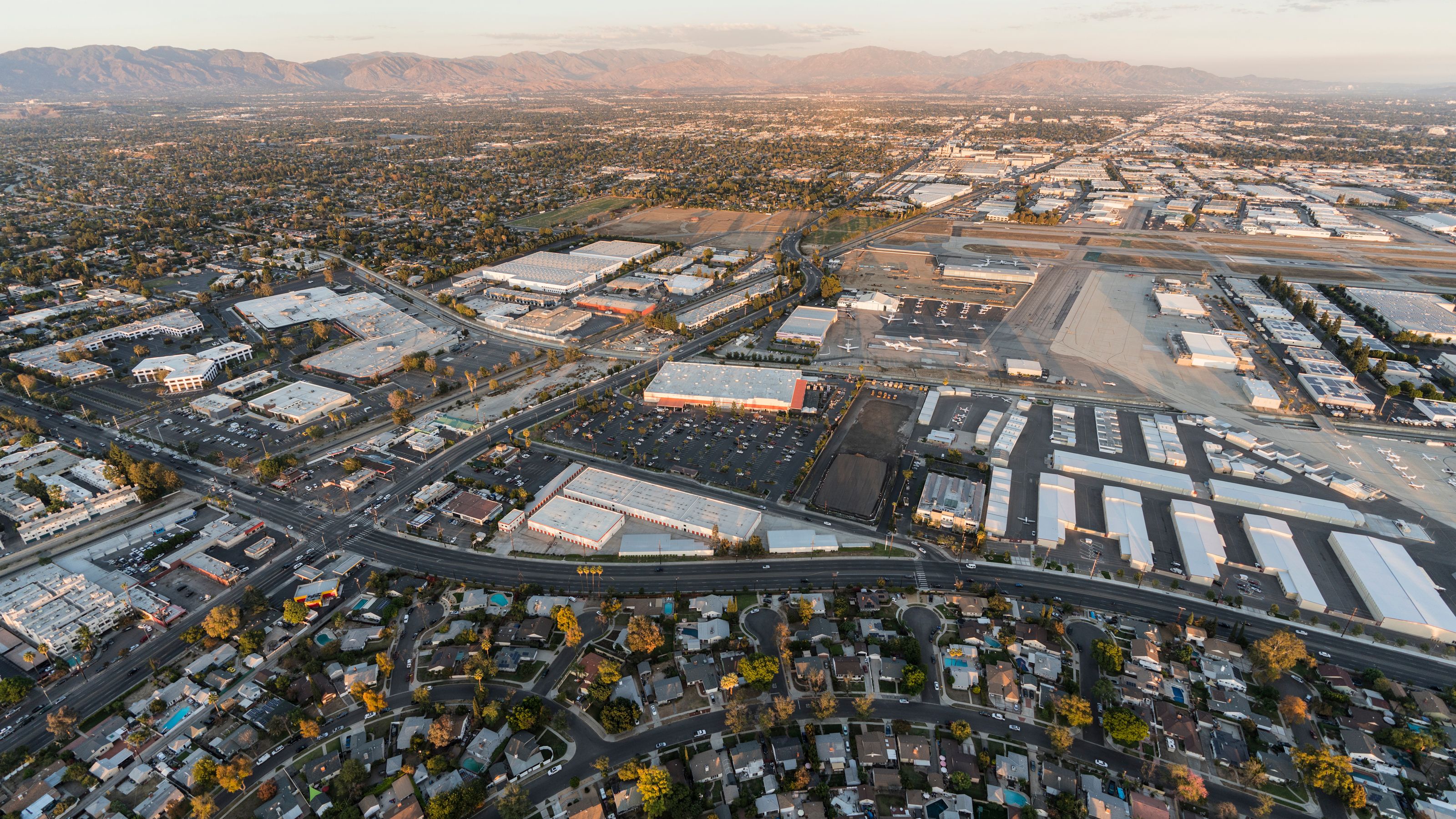
Aerial view of Los Angeles
This year, crucial to answering this question was how landscape architecture can sequester its carbon emissions. In research from the GSD Office for Urbanization, coastal adaptation projects often exceed the established carbon emission limits for buildings (Waldheim et al., 2025). “Let’s Talk about Sequestration,” presented by Chris Hardy (Sasaki), Jonah Susskind (SWA), and Nicholas Pevzner (University of Pennsylvania) offered a look into why. Most projects carry embodied and operational emissions, but they can also store carbon with soil, trees, and bio-based products like wood (American Society of Landscape Architects [ASLA], 2026). This puts landscape architects in a unique position, compared to its AEC counterparts, to off set its own emissions through sequestration and, this time, with numbers to prove it. Much more research needs to be carried out, but “Landscape Architecture 2040: Guide to Site Carbon Asssessment”- released just last month– gives us a starting point. Looking at projects through a carbon lens not only influences design, but also its lasting impact on the atmosphere.
The collaboration between civil engineering and landscape architecture is changing and with it, their conventional definitions and roles in society. From “Future Infrastructure Design: Foundations for Collaboration Between Landscape Architects and Engineers.”
Flux as a guiding principle also calls for landscape architecture’s role to redefine itself. Across the conference’s ninety-eight lecture sessions, seventy-two were presented by either affiliate ASLA (those without formal landscape practice or training) or multi-disciplinary ASLA speakers (speakers that have LA backgrounds but also licensure in other fields like architecture, planning, or engineering). This makeup of speakers reflects the wide-range of tensions that landscape architects are absorbing and deliberating. “Future Infrastructure Design: Foundations for Collaboration Between Landscape Architects and Engineers,” presented by Matt Jones (Magnusson Klemencic Associates), Amelia Jensen (Mithun), and Johnny Martin (Moffatt & Nichol) hones in on this synergistic shift. Many designers–with an ability to maintain design principles at many scales– are working at an infrastructural level. These projects have immense returns in long-term investment, but they are not immediately obvious. They necessitate a shared language between landscape architecture and other disciplines to ensure shared values, values that can also off er new frameworks for collaboration.

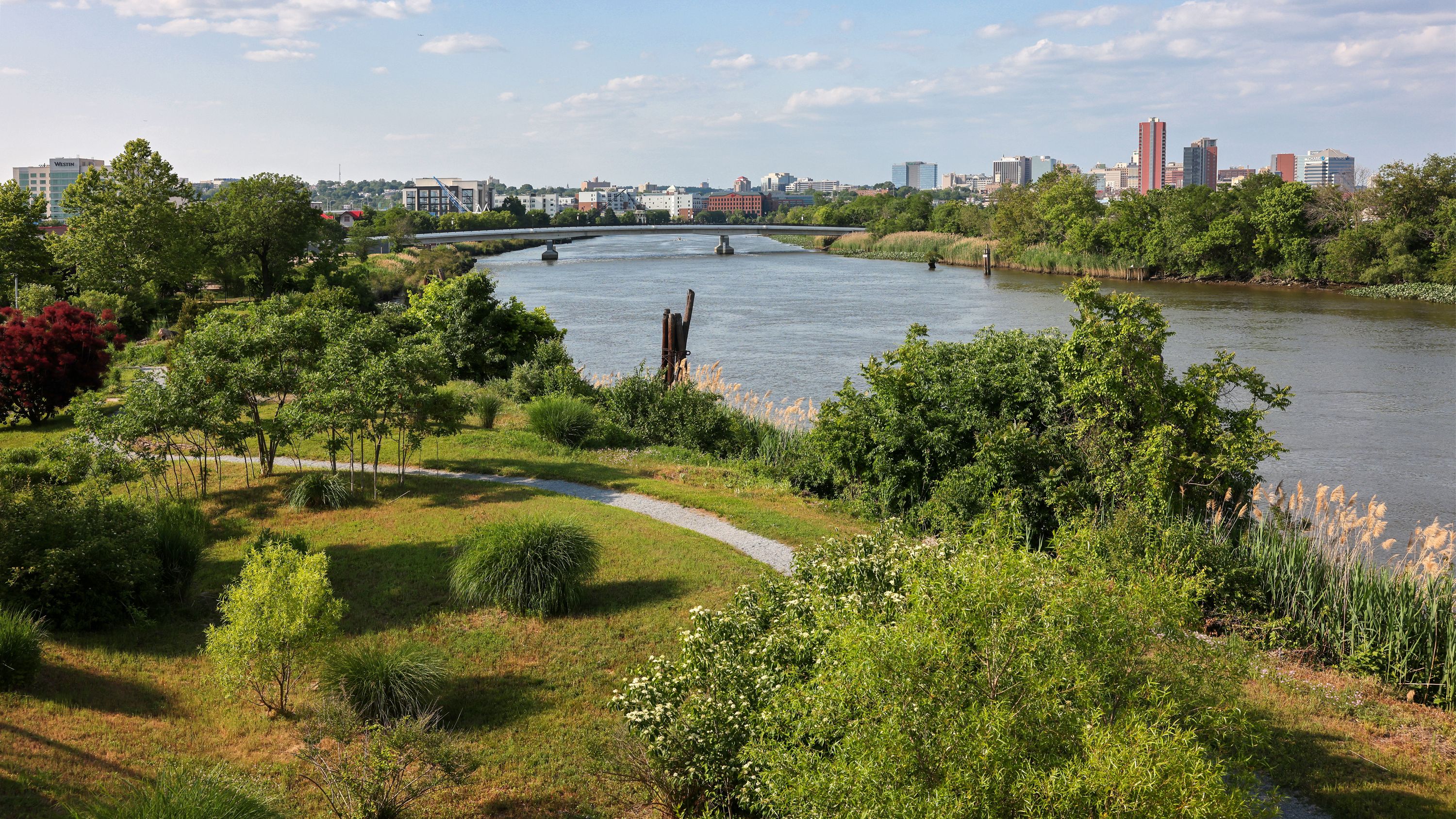
When environmental and industrial forces shape land in drastic ways, cultural continuity remains a resilient pathway forward. “Embracing Regionalism: Place-specific Design for Public Landscapes” looked at how designers of the West Coast, Mountain West and Middle America are using local materiality, ecology, and community partnerships, to better listen to the forces on a site scale. Presenters Nina Chase (Merritt Chase), Kasey Toomey (TERREMOTO), and Christina Sohn (Superbloom), for example, work with local craftsmen or collaborate with a local landscape architecture fi rm to gain perspective on a region’s history. Yet, when local ecologies and water management efforts sustain, they can also repair the physicality of the landscape.

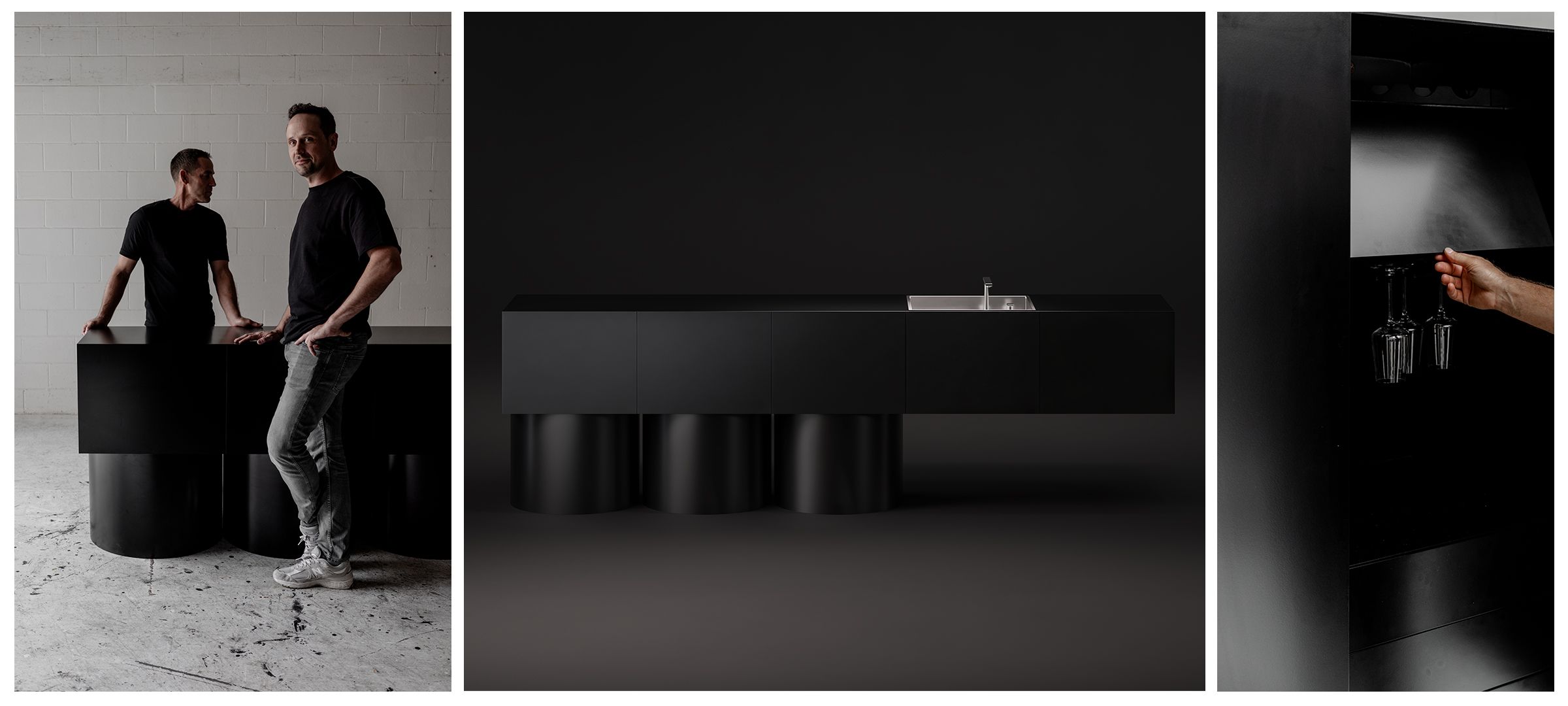
The Woo Collection, Christian Woo x Outerspace by Green Theory
This year, we see the industry’s products and services on the front lines of these external shifts. From cutting-edge construction reporting software to carefully engineered surfacing materials, the ASLA EXPO hosts landscape architecture’s largest trade show in the world and, with it, the most innovative ideas at work. Green Theory unveiled a new frontier, for both the company and the industry. The Woo Collection is a collaboration with Vancouver-based furniture designer Christian Woo, revealing a new Brutalist precedent for fully functional outdoor kitchens. “The idea behind this collaboration,” Woo says, “was for Green Theory and Outerspace to be able to exhibit something that was truly original.”

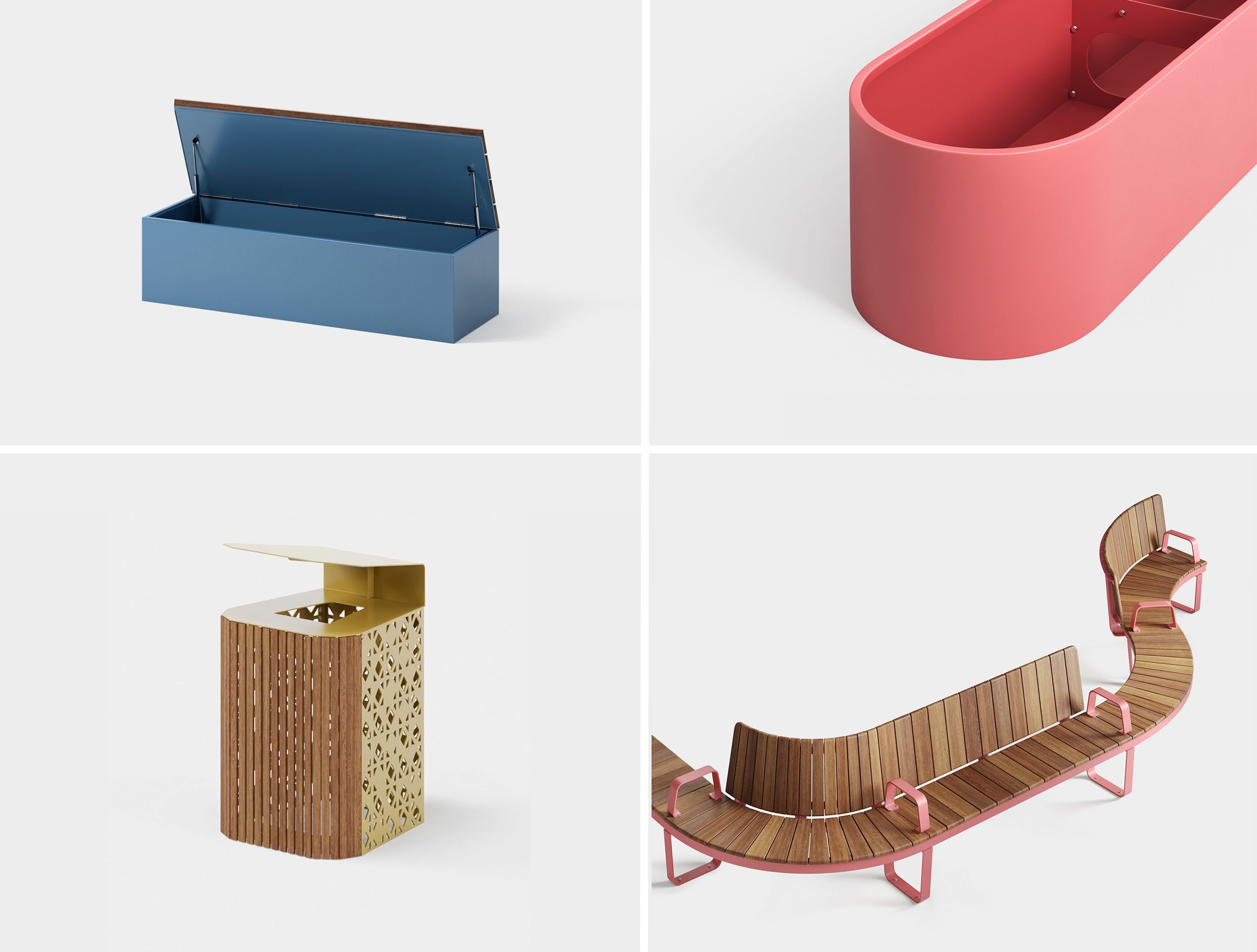
L to R: Join Dry storage Bench, Join Pill planter, Dek Bin enclosure, Path bench system,
The collection, balancing bold forms with playful proportions, perfectly complemented Green Theory’s careful curation of products shown this year. The Path Bench System, with both freestanding and connected seating sections, has the opportunity to fi t into any space and fit a site’s programmatic flow. It plays well with the Join Pill, which features unique curves that are soft and unobtrusive, yet powerful. Both respond to the idea of curves that soften a space, while adding a unique geometry rarely found in nature. The Dek Bin Enclosure, by design partners Street+Garden, features simple geometries balanced with wood slats. The geometric facade nods to the shadows formed by foliage, fitting well into spaces with varying degrees of planting. The Join Dry Storage Seating, with a similar interaction between alumnium and hardwood timber, allows for a seamless integration into any Join Modular system. These products are versatile–they can either seamlessly integrate within a site or challenge its surrounding site geometries.
At annual forums like ASLA, we have the “chance to meet with so many landscape architects from across the US,” Territory Manager Trish Almeida says, but also how we have designed in response to the industry’s forces. Taking place next year in Chicago, in partnership with the International Federation of Landscape Architects (IFLA), is ASLA 2027 – where not only scale will be transcended, but also language, culture, and climate.
Products mentioned in this post



Keep Reading


How Series 02 Found Its Form: Designing an Outdoor Kitchen That Belongs
At Green Theory, we’ve always approached outdoor space as an extension of human experience, not just a backdrop. Our design collaborations start with the question: how can the built environment support connection, comfort, and calm?


Leave Your Mark with Green Theory at ASLA
This year at the ASLA Expo in New Orleans, we’re celebrating the incredible impact of landscape architects with our theme: Leave Your Mark.

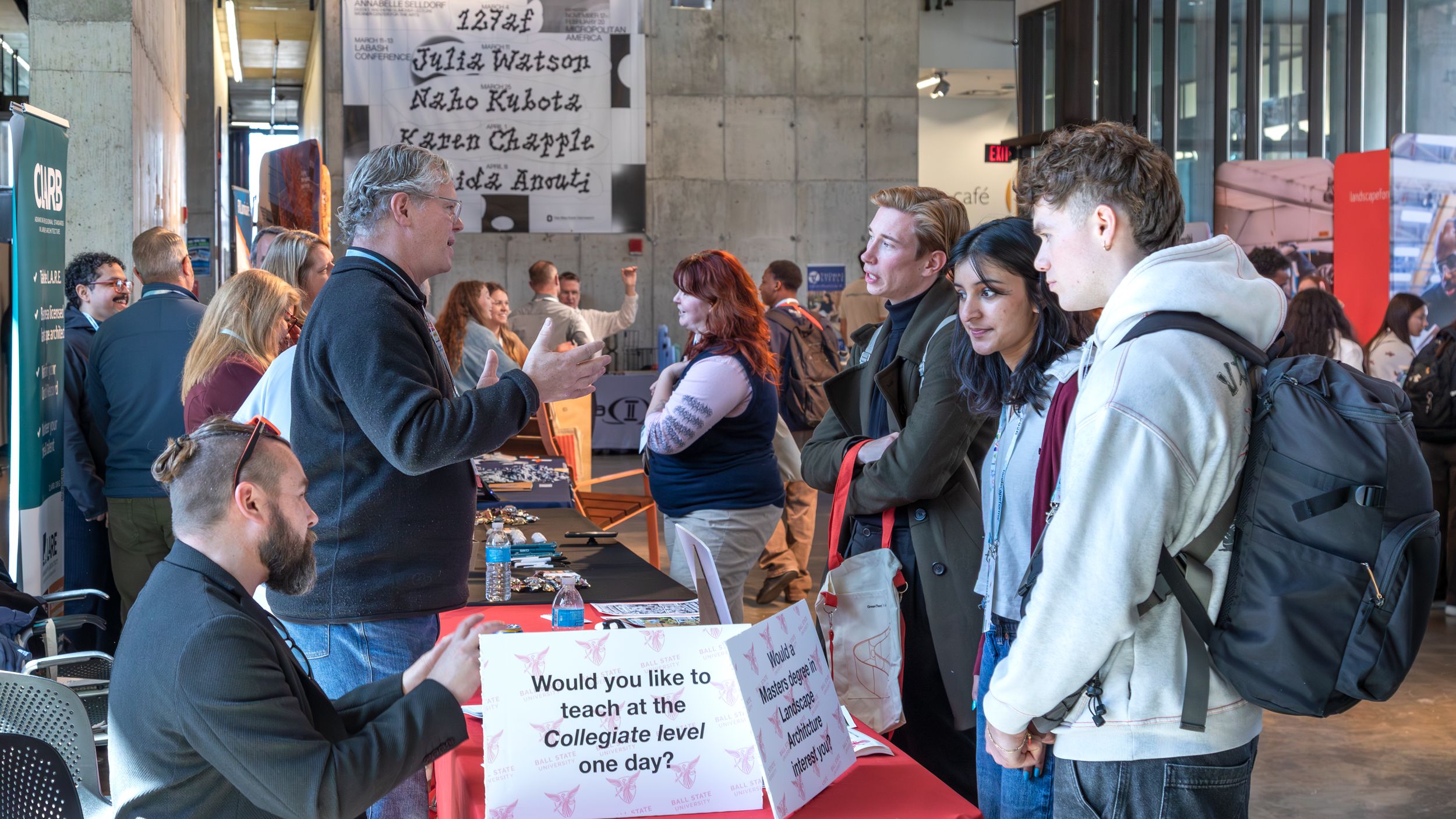
Cross-Pollination at LABash 2026
LABash 2026 brought together students, professionals, and educators through sessions, exhibitions, and creative exchanges exploring collaboration, resilience, and the evolving future of landscape architecture. From Cross-Pollination to After-Bash, learn more about LABash’s themes, history, and community connections from a student who organized the 2026 conference.
– By Sam Clemente | Green Theory contributing writer