Events, Editorial

Cross-Pollination at LABash 2026

LABash 2026 brought together students, professionals, and educators through sessions, exhibitions, and creative exchanges exploring collaboration, resilience, and the evolving future of landscape architecture. From Cross-Pollination to After-Bash, learn more about LABash’s themes, history, and community connections from a student who organized the 2026 conference.

– By Sam Clemente | Green Theory contributing writer

What is The Landscape Architecture Bash?

Since its start in 1970, The Landscape Architecture Bash (LABash) has been an event of exchange. Visionary students at The University of Guelph set out to explore how landscape architecture was defined at universities across North America, and found that hundreds of other students yearned to do the same. The tradition carried on, and expanded into a network of thousands of LABash-goers– students, academics, professionals, and their partnering companies.

What makes each year however, is each university’s thesis of what to exchange. Cornell University’s team invited attendees to rise from “compacted grounds” and unearth the profession’s historical context while the University of Georgia team saw the conference as a catalyst for students to “find their roots” within the diverse profession. LABash has done such a successful job uniting the profession that in 2026, a time defined by divide and disagreement, The Ohio State University organizing team found it imperative to focus on the exchange itself. “Cross-Pollinate,” was the 2026 theme–focusing on the literal, cultural, and disciplinary term that has come to define landscape architecture with every aspect of the conference.

Educational sessions and presentations

Sessions

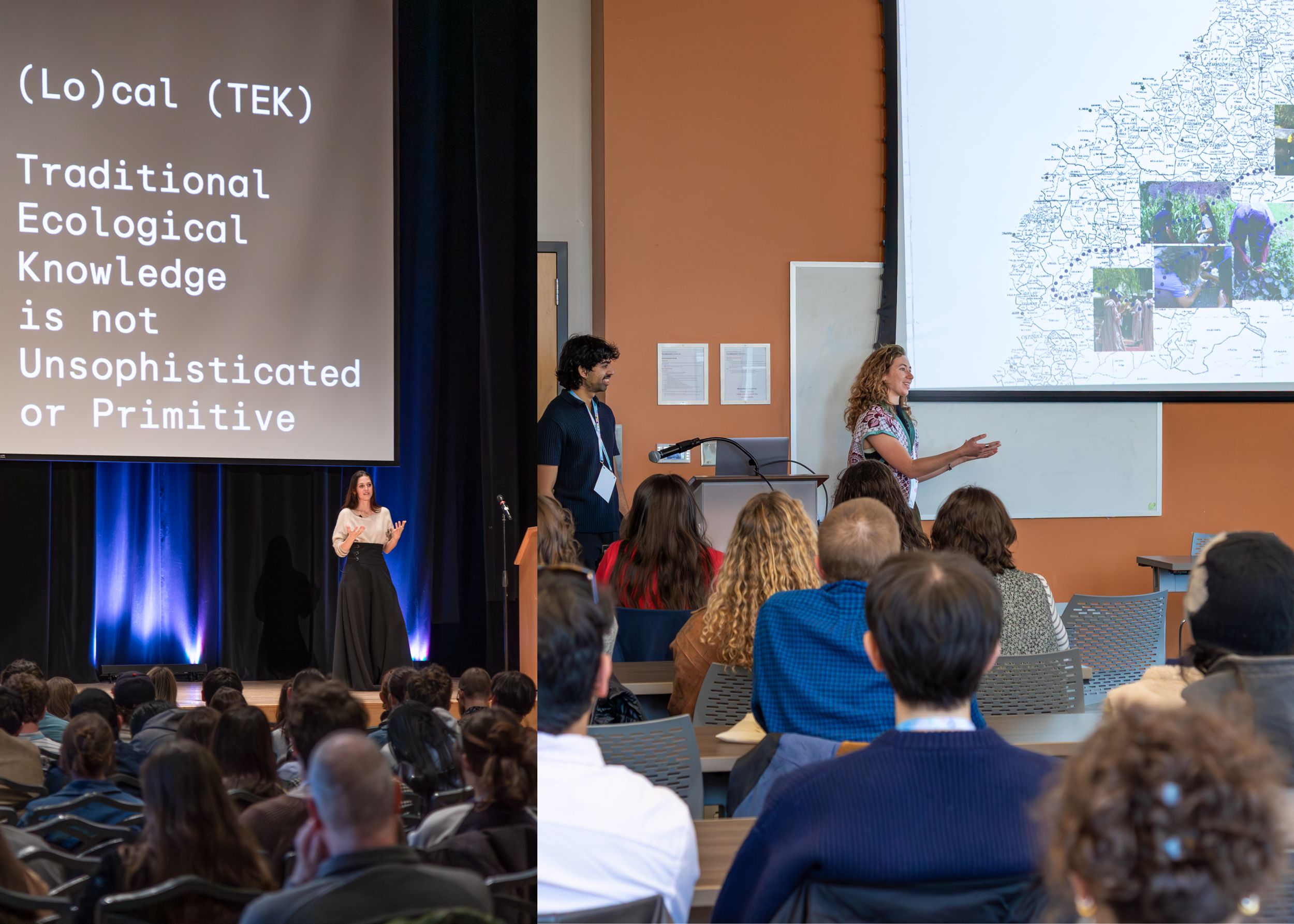
A trademark part of the conference experience, the educational and field sessions bolster the message of the conference. Having received over 80 applications for session slots, the OSU team had the difficult task of only choosing 25 applicants to speak at the conference. They fall under different categories of the “Cross-Pollinate” theme–Inter-Disciplinary, Trans-Cultural, Multi-Regional, and Cross-Methodical–that outline the exchange between profession, people, places, and practices within and beyond landscape architecture.

The sessions varied greatly in topic while still adhering closely to the theme. Within the Inter-Disciplinary category, founder of redhousearchitecture Chris Maurer presented “Regenerative Architecture: Growing Buildings that Repair the Planet,” exploring how the built environment can shift from a driver of ecological harm to a catalyst for ecological healing through fungi and other biological systems. Teaching students through a Multi-Regional lens, OSU professor Jack Gruber and Senior Director of Planning + Design at the Columbus Zoo Karen Schenk showed students Landscape Architecture at the Columbus Zoo and various animal habitat designs that imitate native biomes and ecologies.

A shepherd of the theme and all of its categories was landscape designer, author, educator and founder of the Lo—TEK Institute Julia Watson, the keynote speaker of LABash 2026. Watson presented on how ancestral water wisdom could reshape all of our futures, serving as a call to architects, planners, and communities to design with water’s elemental intelligence and build future worlds rooted in resilience. Watson’s work is true across various continental case studies, is relevant for every profession, and unites cultures–perfect for the theme that is evermore integral for the next generation of students.


1000 trees gallery

1000 Trees gallery

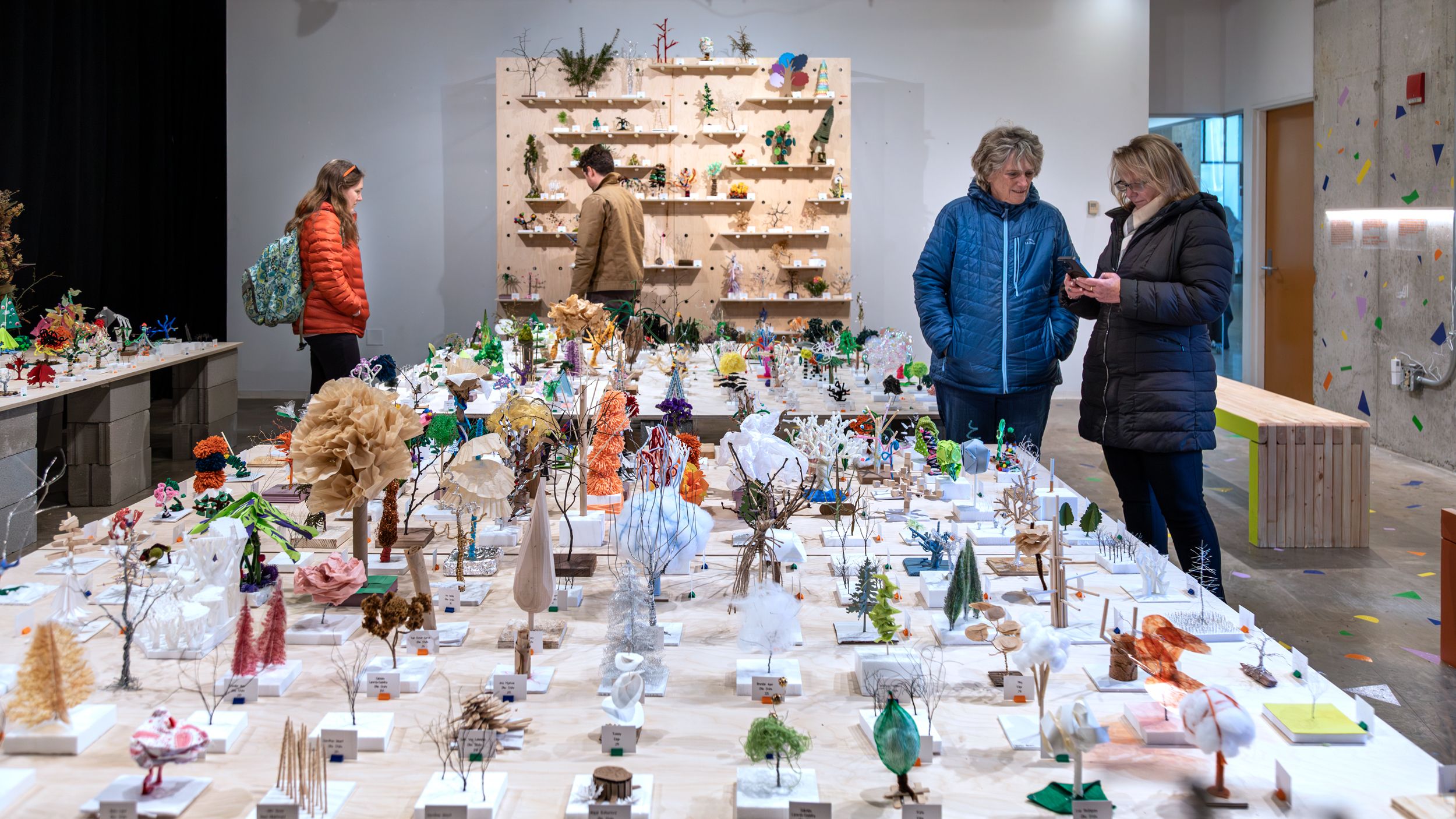
Unique to this year’s theme, the OSU planning team and the Knowlton Conservation Corps, which maintains the Knowlton School’s rooftop garden, invited attendees to craft a tree for the 1000 Trees Gallery on display throughout the event. LABash has previously been an event for in-person attendees, but this year’s 1000 Trees Gallery allowed for anyone with craft supplies and an imagination to take part in the event.

The trees gave students an opportunity to interpret the theme with found objects, 3D printers, and sculpted materials. As landscape architecture students, it was imperative that LABash was at once a place to learn about other’s work and a place to display their own.

Exhibitor hall and registration

Exhibitor Hall

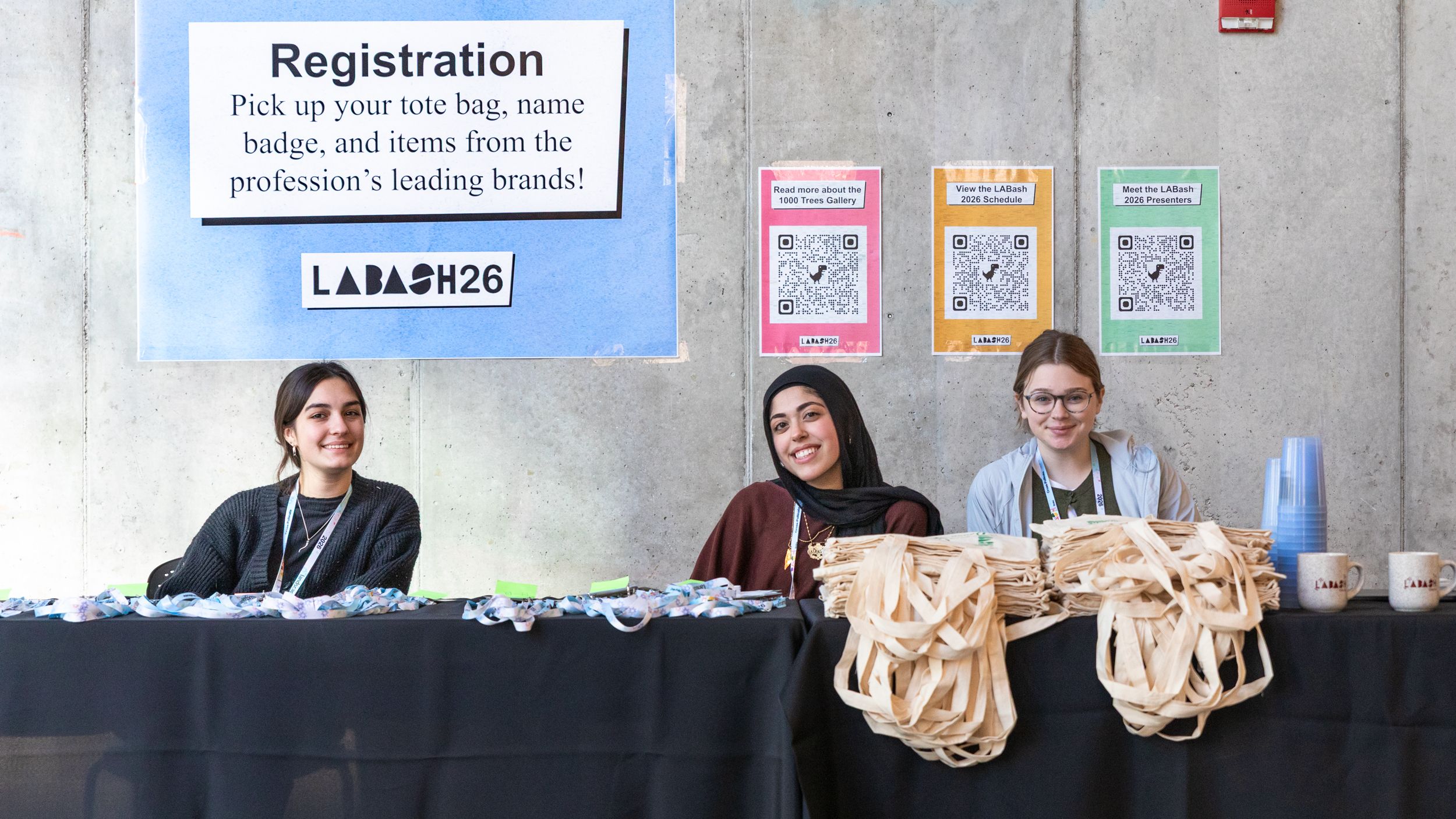
As students entering the industry, connecting with professionals and the leading firms that shape our industry are crucial. The Exhibitor Hall, where Green Theory and other leading companies were located, served as a forum for attendees to connect and ask questions about industry-related topics not typically taught within the classroom. Throughout the day, students connected with professionals, picked up branded merchandise, and learned more about the changing industry through its leading voices. Many students returned to the same exhibitors for more questions and connections throughout the conference, with LABash serving as a vehicle for those relationships.


After-Bash

As many relationships and ideas were instilled in attendees during the conference, much of the “Cross-Pollination” actually took place after the conference when attendees shared their experiences. The professional aspect of the conference allowed students to reflect on LABash 2026 on Linkedin and Instagram–inviting their own local communities to take place in the Cross-Pollination that has defined LABash 2026.

The organizing team hopes that the relationships built, ideas explored, and experiences exchanged at the conference continue. Thank you all for coming to Columbus for LABash 2026!

Keep Reading

News

Leave Your Mark with Green Theory at ASLA

This year at the ASLA Expo in New Orleans, we’re celebrating the incredible impact of landscape architects with our theme: Leave Your Mark.

Editorial

Global Design Trends 2026: What’s Influencing Landscape Architecture Now

Across scales, from urban plazas to regional green networks, global trends are emphasizing sustainability, regeneration, and interconnected design thinking that responds to both environmental urgency and cultural evolution.

As we step into 2026, the landscape architecture profession is experiencing a profound shift, one that’s reshaping how we think about ecology, community, technology, and the role of outdoor space in a rapidly changing world. Designers are no longer merely shaping spaces; they’re catalysts for climate resilience, biodiversity, and human well-being.

- By Zach Curry | Green Theory contributing writer

Editorial

Designing for Trust: Why Public Spaces Should Invite, Not Exclude

In every city, the design of public space sends a message. Some spaces feel open and welcoming, inviting you to linger, play, or explore. Others send the opposite signal: using form and material to control how they’re used, or to discourage certain activities entirely.