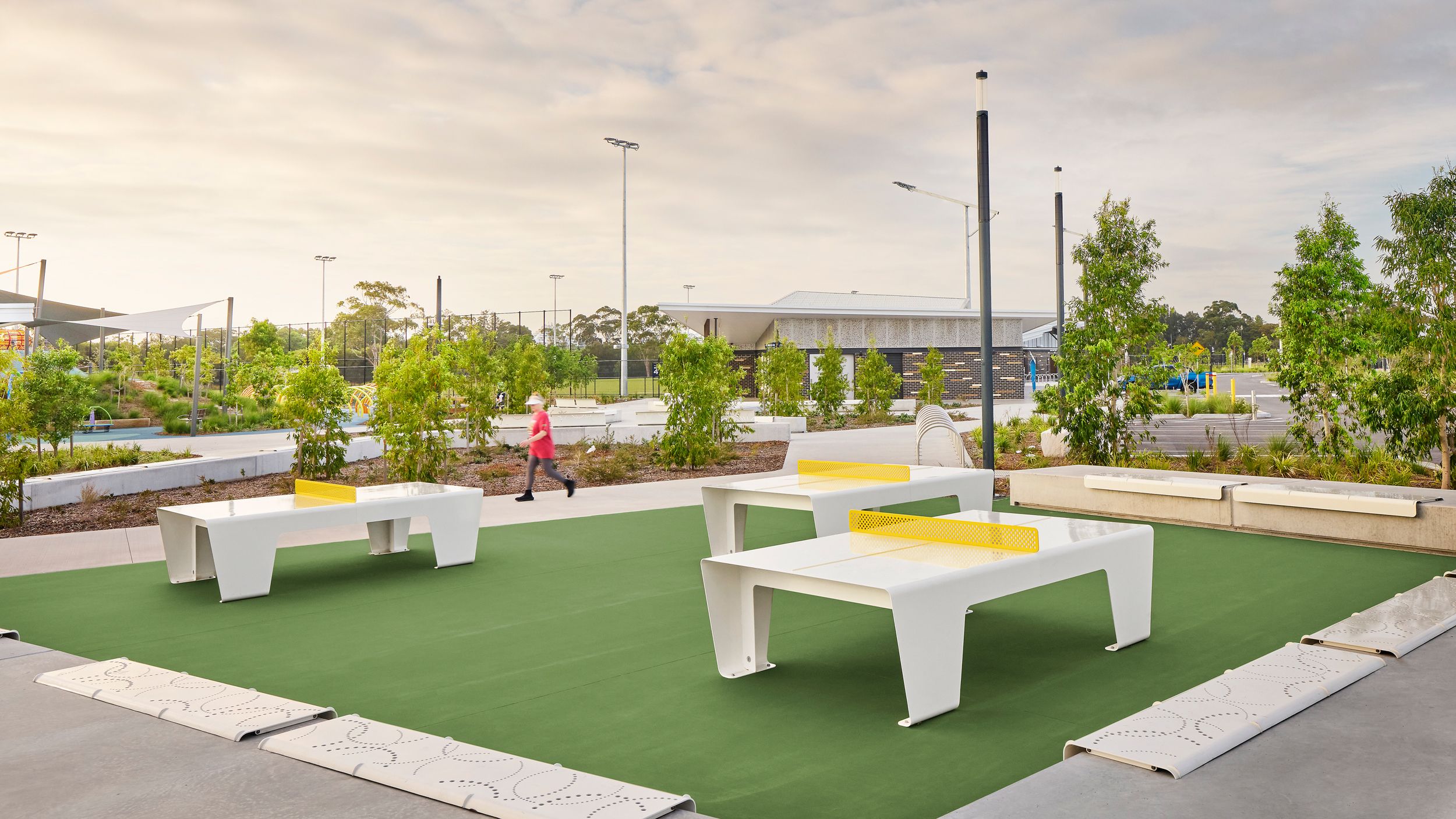
In The Great Good Place from 1989, sociologist Ray Oldenburg introduces the concept of “third places” - informal public gathering spaces crucial for social connection outside the home (first place) and work (second place).
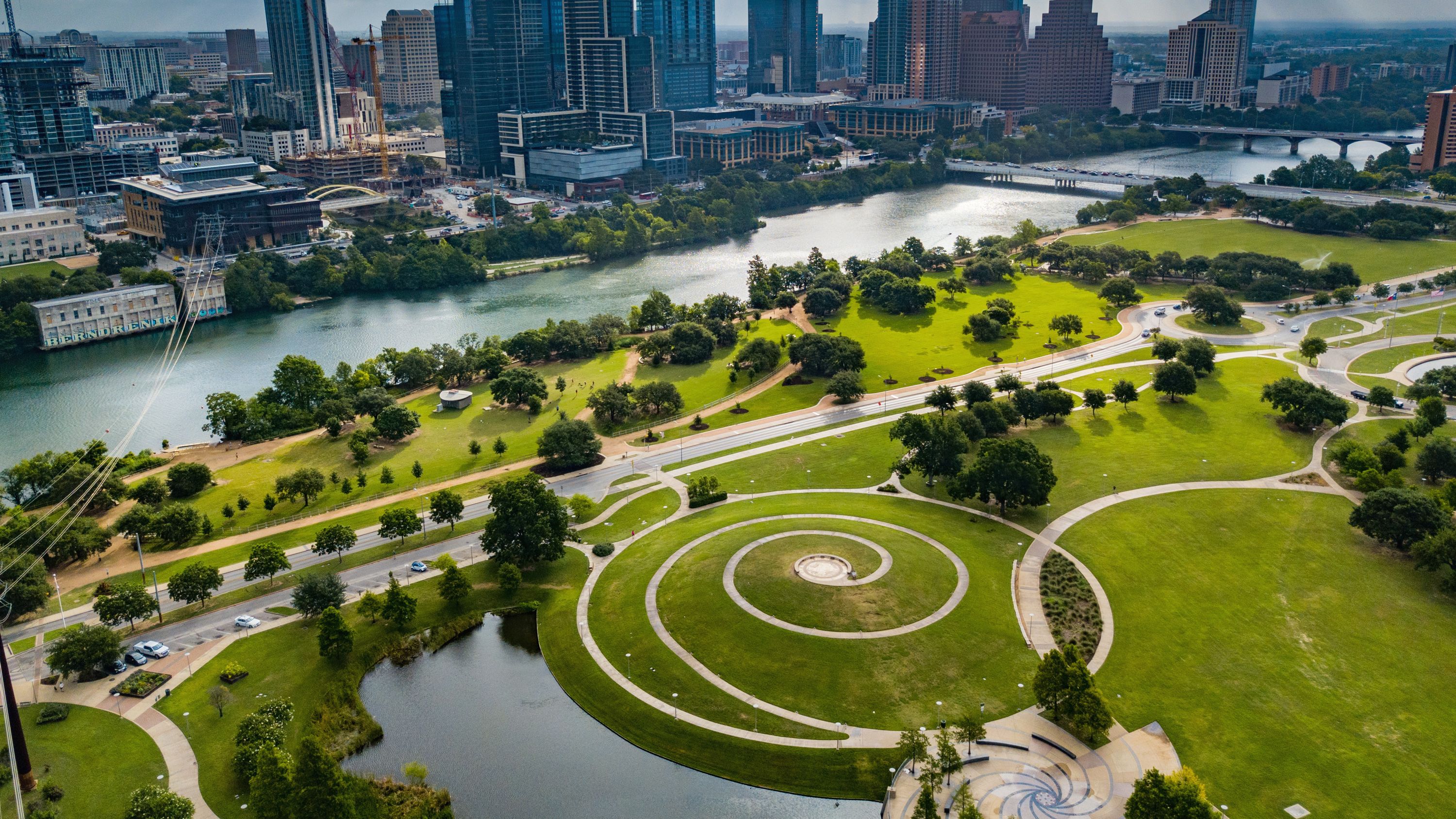
In 1989, Oldenburg presented cafes, bars, and bookstores as third places. Recognizing the cost to enter many of these places, more awareness of accessibility obstacles, and more diverse interests, an exemplary Third Place has emerged: urban public spaces. Free, safe, dynamic with the seasons, flexible programming, and often available 24 hours, these spaces have the unique potential to become integrated within people’s daily lives. Furthermore, if a public space allows for Third Place experiences to be born, it is the elements of the space that people touch, sit, eat, climb on – the site furniture – that encourage people to make them their own. In doing so, they can become “regulars” of the landscape itself.
Build it and They Will Come
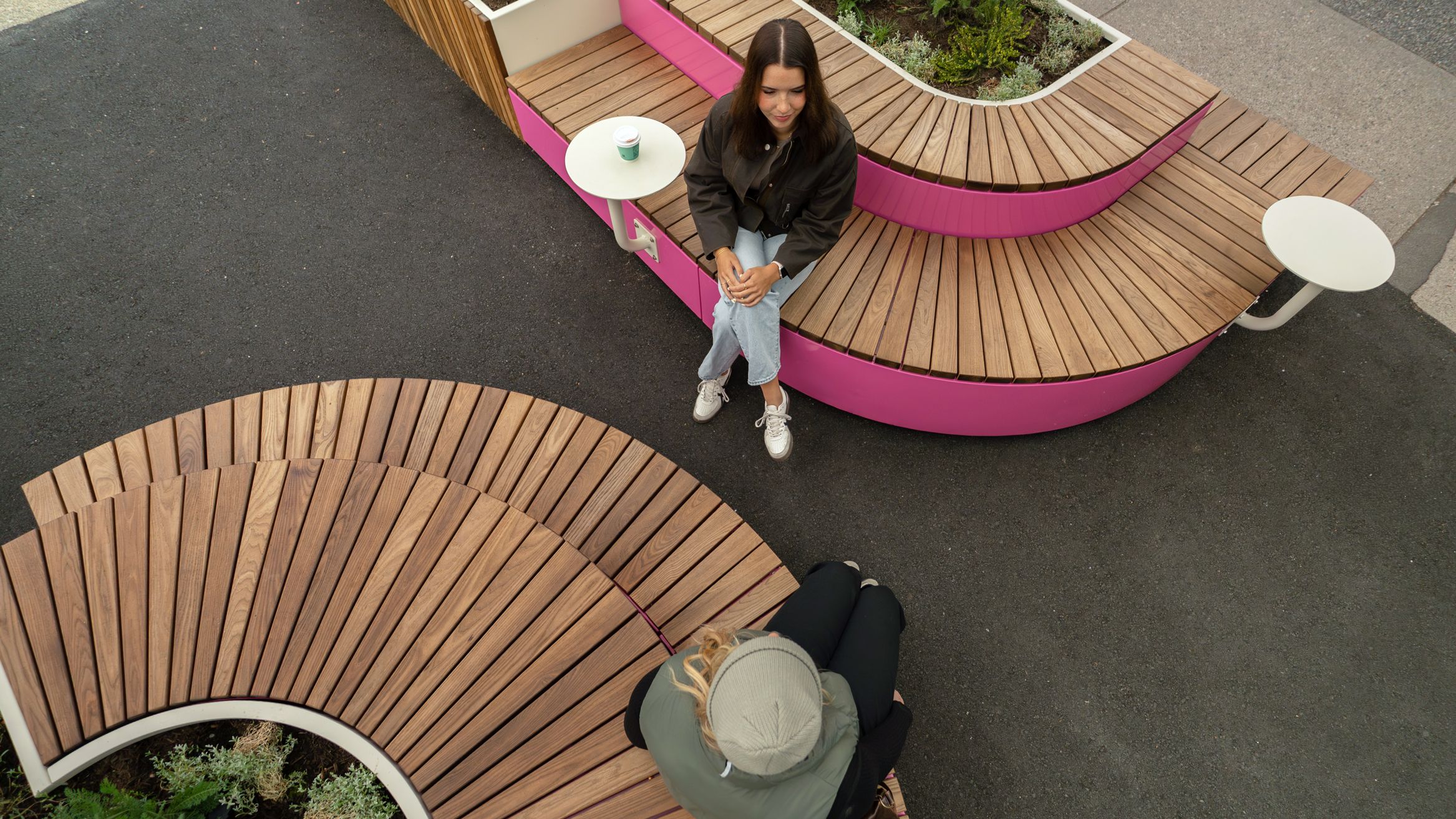
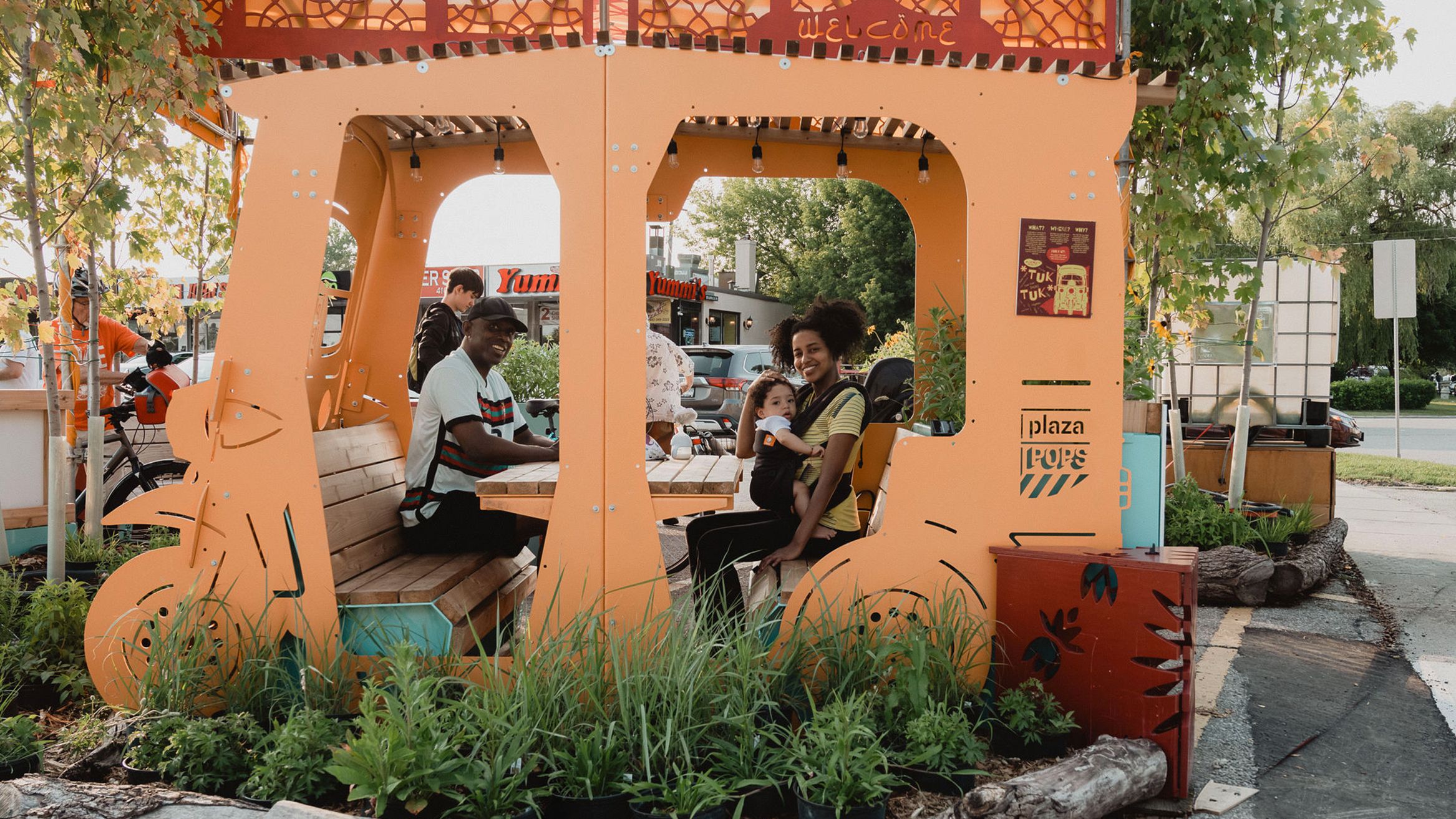
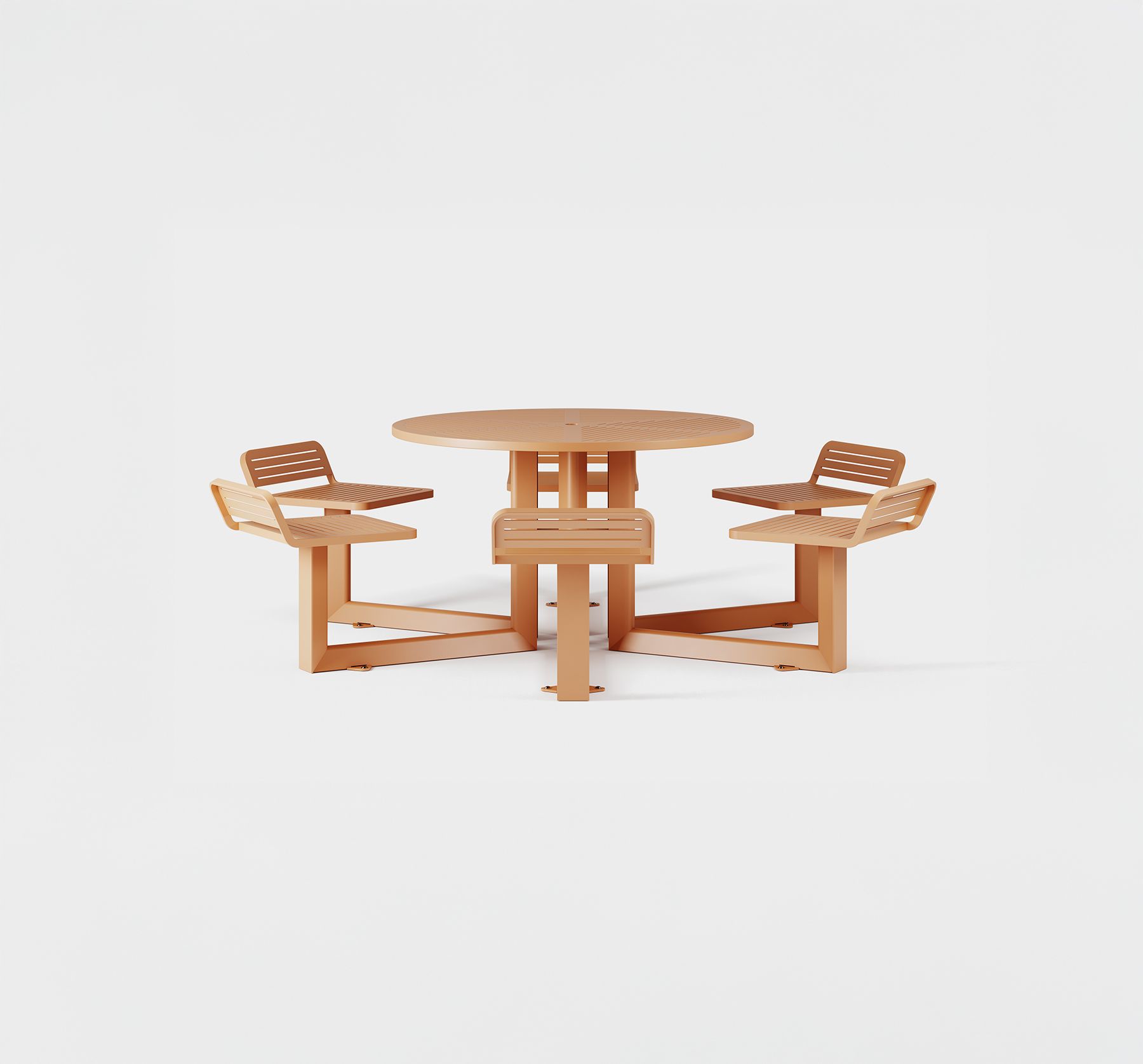
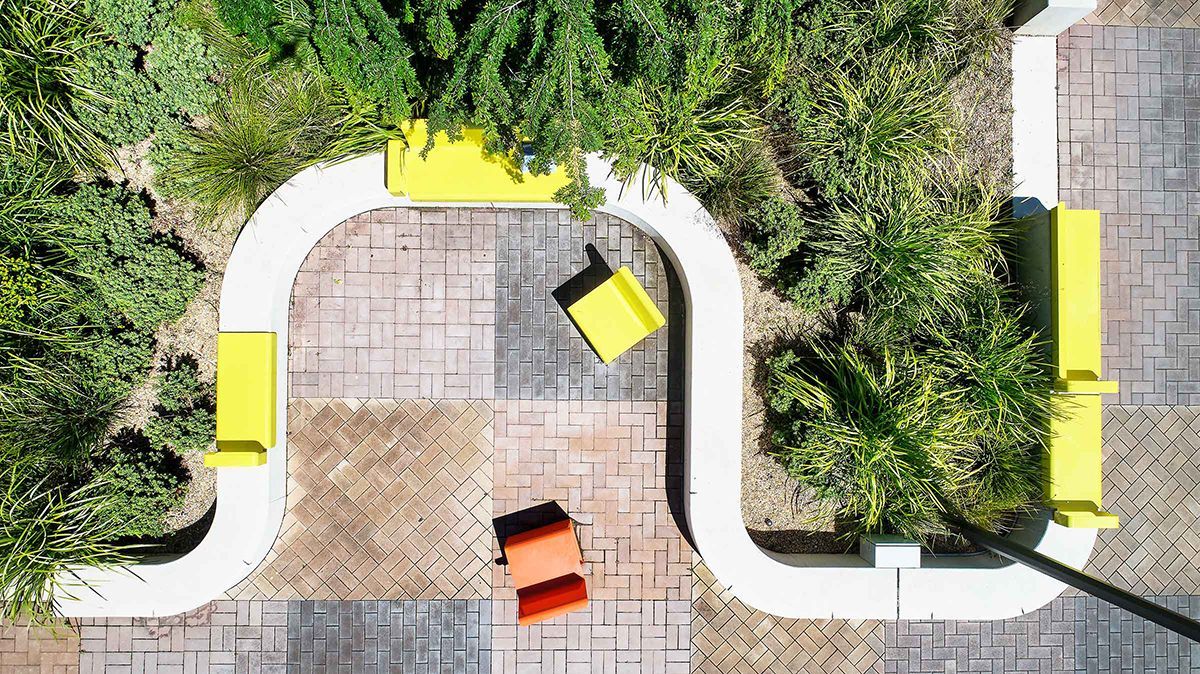
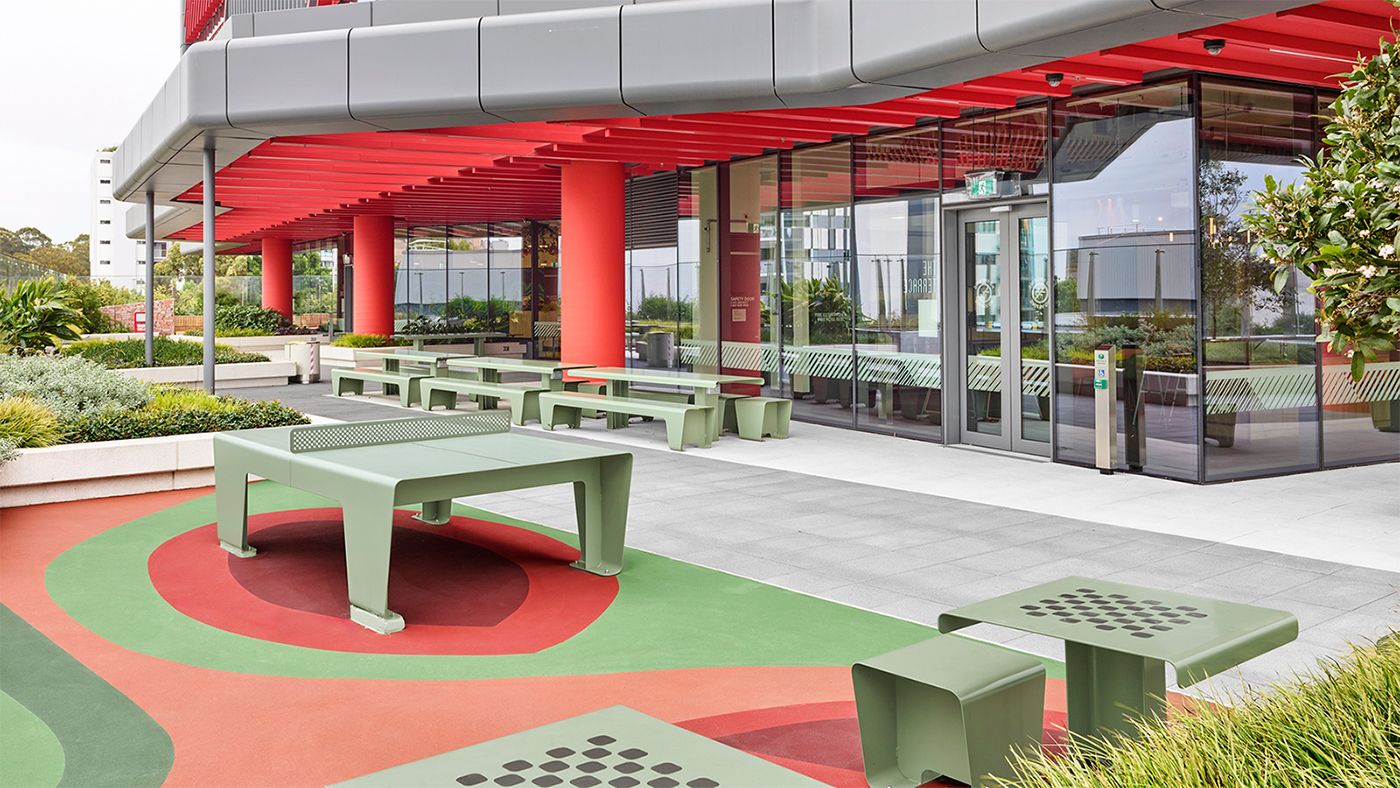
For one, a site’s furninishing has the role of inviting users to the space. When a site’s bench faces outward towards a city’s skyline, not only does it allow for a new perspective on a familiar view, it also embraces it as a collective experience for everyone there to share. When a site’s furniture uniquely complements a restaurant’s atmosphere and food, the furniture embraces the group experience of enjoying a meal together. Or, when a site’s furniture is oriented in a fluid or converging way, it allows different groups to interact with each other. No matter the experience, the site’s elements provide the infrastructure for different connections to emerge. It’s the charm of the space that these elements provide– the unique orientation of the seating, the dynamic synergies with the surrounding activities, the furniture that may bring you closer to your neighbour–that make people recognize they aren’t alone when experiencing a space.