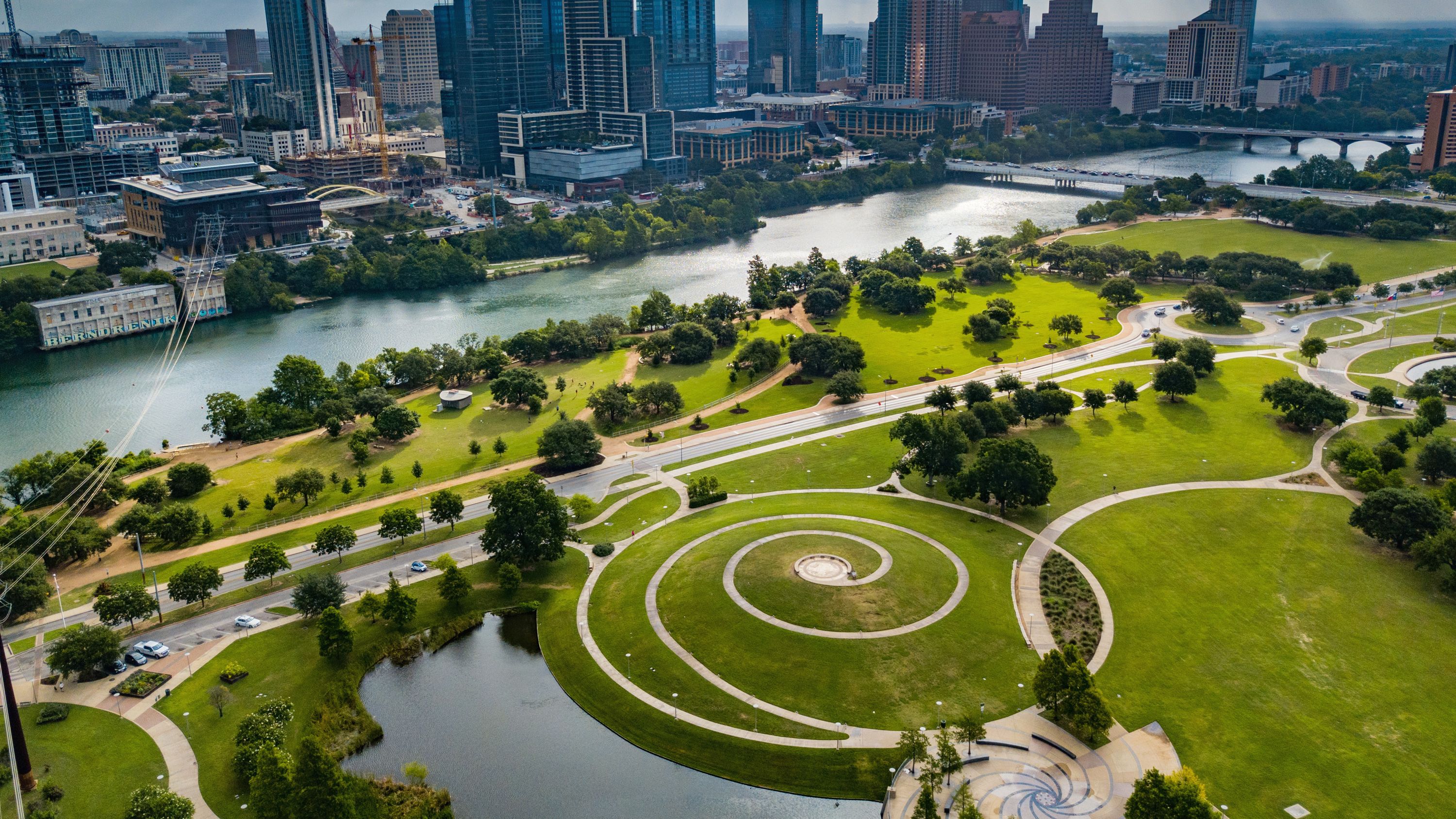
Sustainability has long been a guiding principle in landscape architecture, but in 2026 it has evolved into a comprehensive tactical agenda, grounded in measurable climate action. Organizations like the American Society of Landscape Architects (ASLA) are advancing climate and biodiversity action plans that push firms toward reduced emissions, carbon sequestration strategies, and ecologically measurable outcomes. Designers are reconsidering how materials are sourced, how landscapes are maintained, and how ecological functions are integrated from project inception through long-term stewardship.
Water, a defining issue in many regions, is commanding new design approaches. Integrated solutions like rain gardens, bioswales, and water-retention systems are becoming standard design language, helping landscapes buffer against both drought and flood.
Native Planting, Biodiversity, and Ecosystem Performance
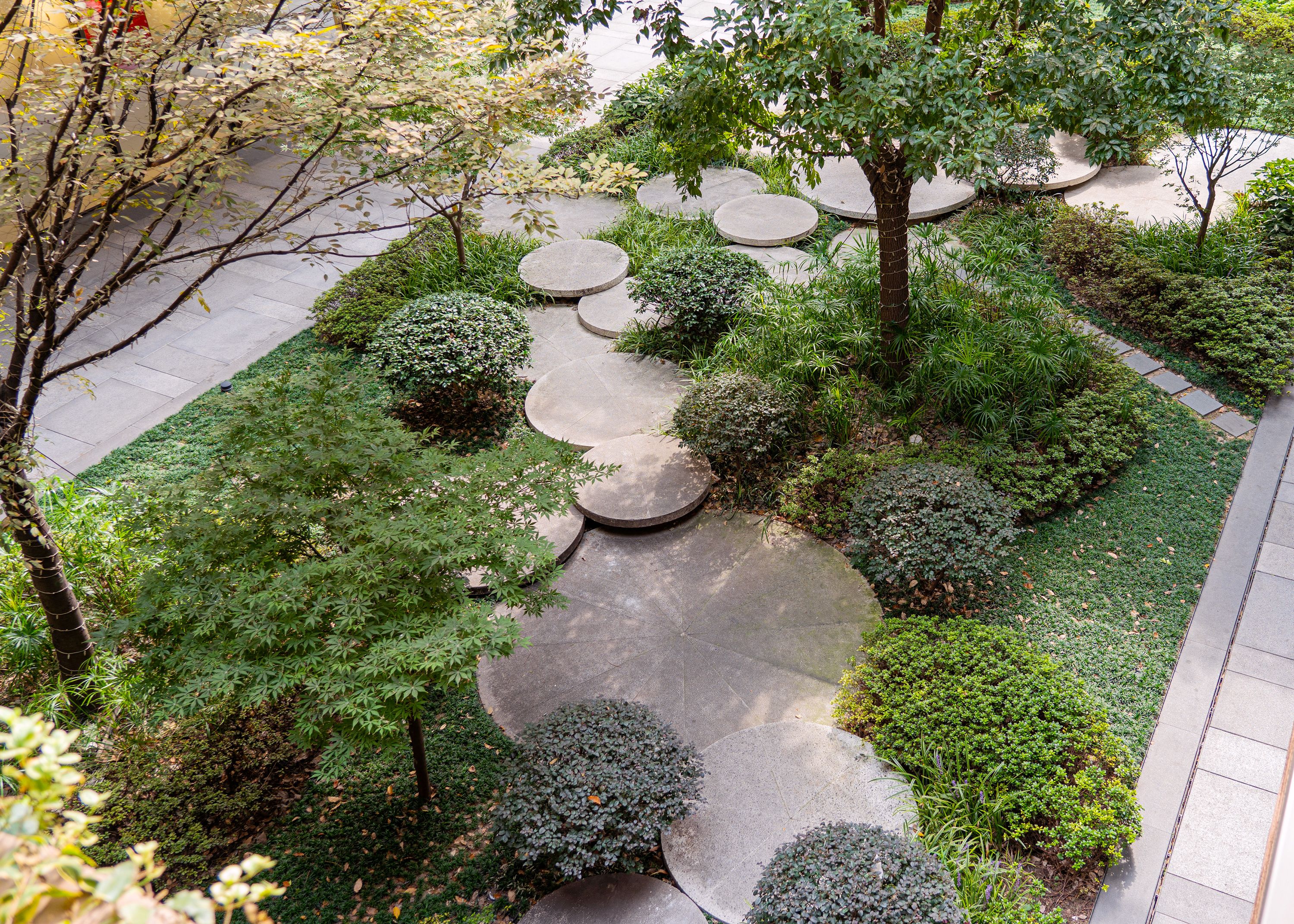
In 2026, authenticity in planting goes beyond aesthetics. Landscape architects are prioritizing native and climate-adaptive plant communities to support local ecosystems, reduce maintenance burdens, and enhance ecological health. Native plantings are being paired with strategies that actively support pollinators, birds, and beneficial insect communities, in some cases through the deliberate use of “keystone” species that disproportionately contribute to ecological richness.
This movement reflects a deeper commitment to resilience: landscapes are no longer backgrounds for architecture but functional ecological systems that perform, sequestering carbon, regulating microclimates, and fostering biodiversity across scales.