

Biophilic design, a term popularized by E.O. Wilson in 1985, describes our innate affinity for the natural world. In a modern context, it is a data-driven tool for health. Research suggests that physiological stress recovery begins within just four minutes of entering a nature-integrated space. By providing "soft fascination", stimuli that capture attention without cognitive effort, biophilic environments allow the brain’s executive functions to recharge, leading to a reported 15% increase in productivity in professional environments.
Editorial
Biophilic Architecture: Field Trip to Singapore, The Garden City
Biophilia is no longer a trend. It is a biological necessity. As we look toward Earth Month this April, the design community is facing a pivotal shift toward radical restoration. To truly understand how nature can be woven into the very fabric of a skyscraper, we take a look at biophilic architecture in Singapore. Known as the Garden City, this city-state offers more than just inspiration, it provides a proven roadmap for redefining the modern urban centre.
- By Jill Koh Chiu | Green Theory contributing writer
The History & Science of Biophilic Design
Singapore’s Green Blueprints
Singapore has moved beyond voluntary greening into mandatory policy through its LUSH (Landscaping for Urban Spaces and High-Rises) program. Several typologies stood out as masterclasses in this integration:
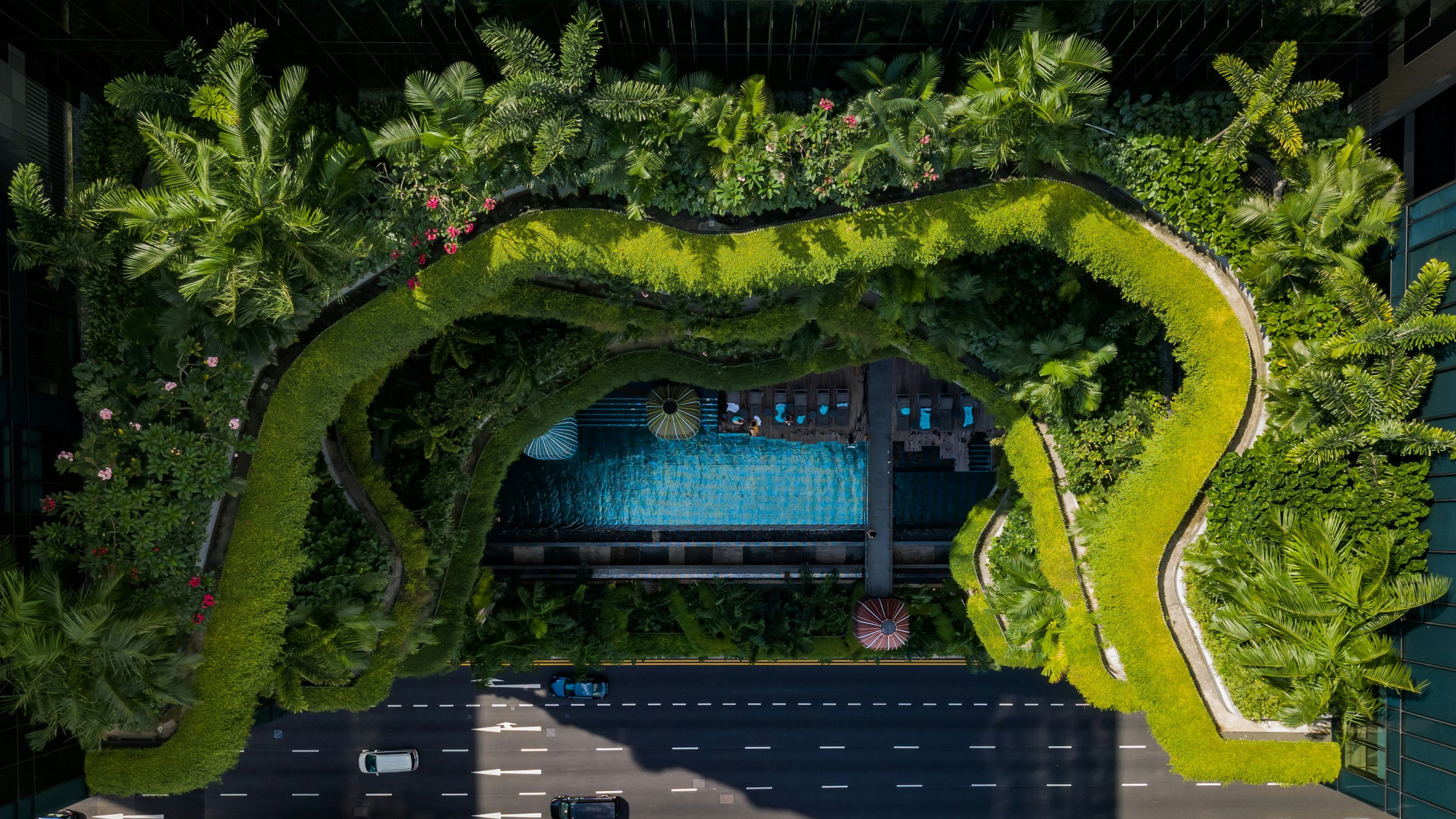
The Parkroyal Collection Pickering.
The Hotel in a Garden: The Parkroyal Collection Pickering
Designed by biophilic pioneers WOHA, this hotel features over 15,000 sqm of sky gardens. The building functions as a living ecosystem. By utilizing passive strategies, including naturally ventilated corridors, solar-powered irrigation, and rainwater harvesting, building operates as a self-sustaining ecosystem. The project achieved Singapore’s Green Mark Platinum rating, the nation’s highest environmental certification.

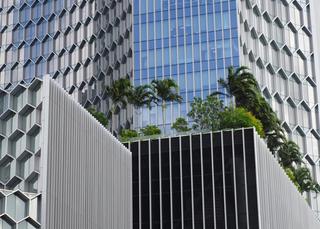
Duo Tower.
The Urban Oasis Complex: Duo Tower
Designed by Büro Ole Scheeren, Duo Tower is a Green Mark Platinum Certified mixed-use development comprising residences, offices, a hotel and a retail gallery. The building integrates multi-level sky gardens and uses a distinctive honeycomb facade as a functional biophilic skin. This hexagonal system naturally regulates solar heat and glare while the building’s concave geometry channels prevailing winds to cool the public plazas below, creating a breathable urban microclimate.

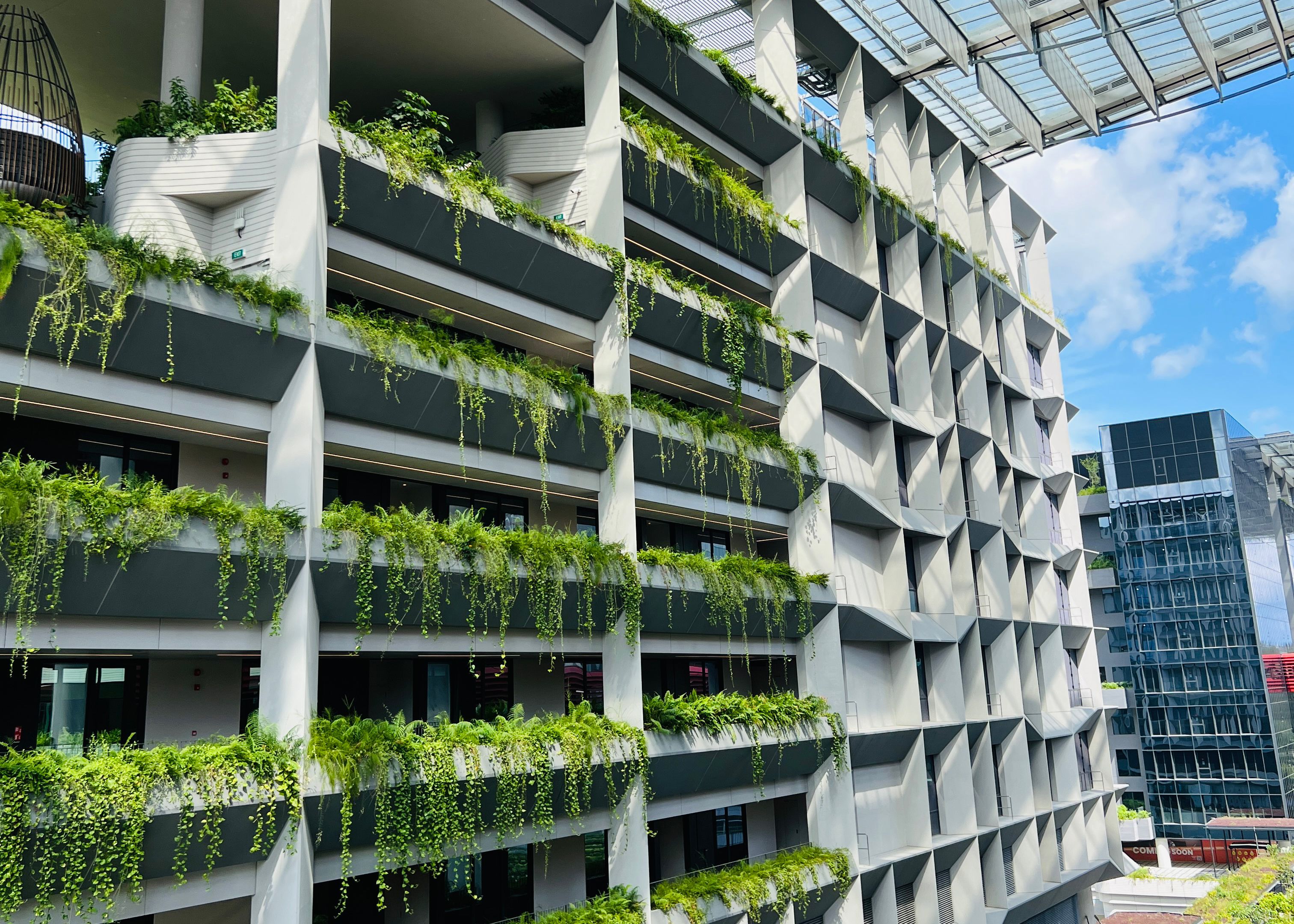
Singapore Institute of Technology.
The Campus in a Park: Singapore Institute of Technology
Designed by WOHA and RSP Architects, biophilia is scaled to a massive, functional public institution that integrates a 1.7-hectare forest and a "Green Spine" trail for pedestrians. It treats water as visible infrastructure through rain gardens and bioswales, successfully scaling biophilia from individual buildings to entire districts.

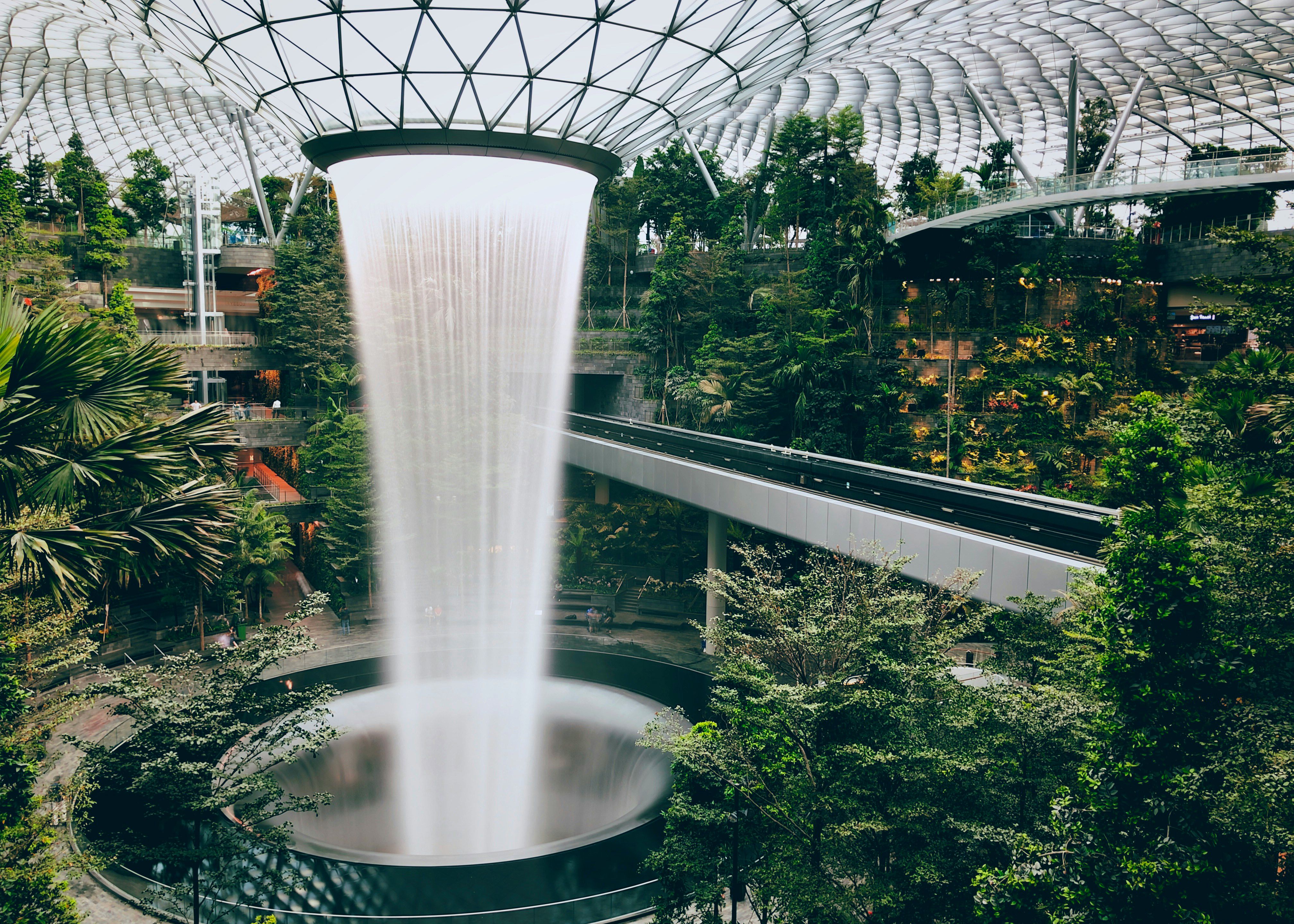
Jewel Changi.
The Tropical Transit Hub: Jewel Changi
Designed by Moshe Safdie, Jewel Changi as a civic sanctuary that shows how even high-traffic infrastructure can function as a restorative public “living heart and lungs”. Its centerpiece, the seven-storey Rain Vortex, utilizes recirculated rainwater to cool a massive indoor forest. It is also the world’s tallest indoor waterfall.
The transition from the humid tropics to our diverse North American climates requires a shift in palette, but the mandate remains the same: we must design for the innate human need for nature. As we celebrate Earth Month this April, the invitation for every architect and designer is to view the city as a living canvas. The future of our cities isn't just concrete and glass. It’s alive, it’s breathing, and it’s waiting for us to plant the first seed.
Keep Reading

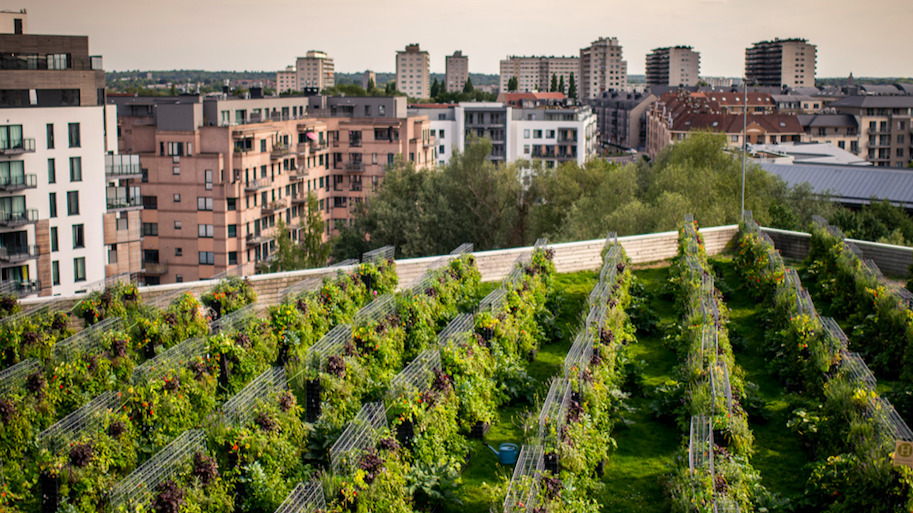
Urban Rooftops as the New Green Commons
Imagine stepping onto a rooftop and finding a lush, green space buzzing with pollinators, fresh produce growing in raised beds, and a shaded seating area for people to gather and connect. Across the world, cities are embracing rooftop greenery not as an afterthought, but as a core part of urban planning.

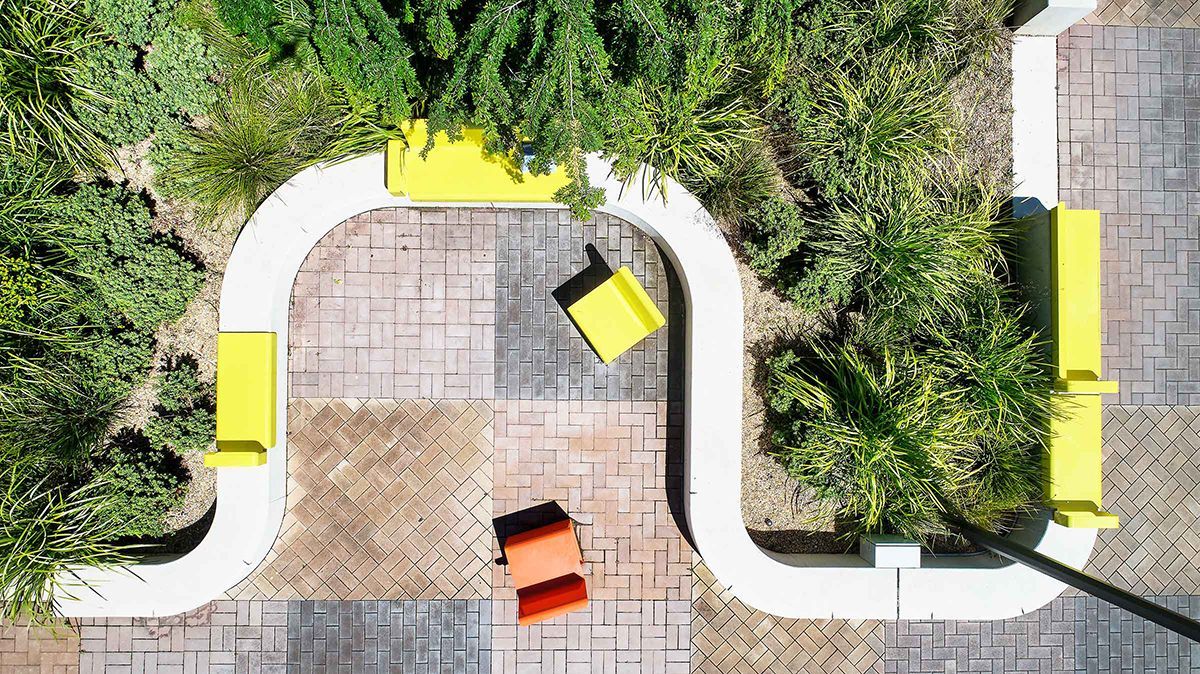
Designing for Pause: The Psychology of Public Seating
Designers know: a seat is never just a seat. Thoughtful seating does more than provide rest: it shapes how people move, interact, and feel in a space. Seating isn’t just furniture. It’s a spatial language. One that communicates comfort, invitation, and intent.


Sustainability is in the Details - Wood
Environmental Stewardship Means the World to us.
Reducing the use of energy and utilizing materials that give back to the earth helps us stay focused on creating products that compliment and honour the natural world.